Common Plumbing Problems: What to DIY and When to Call a Pro
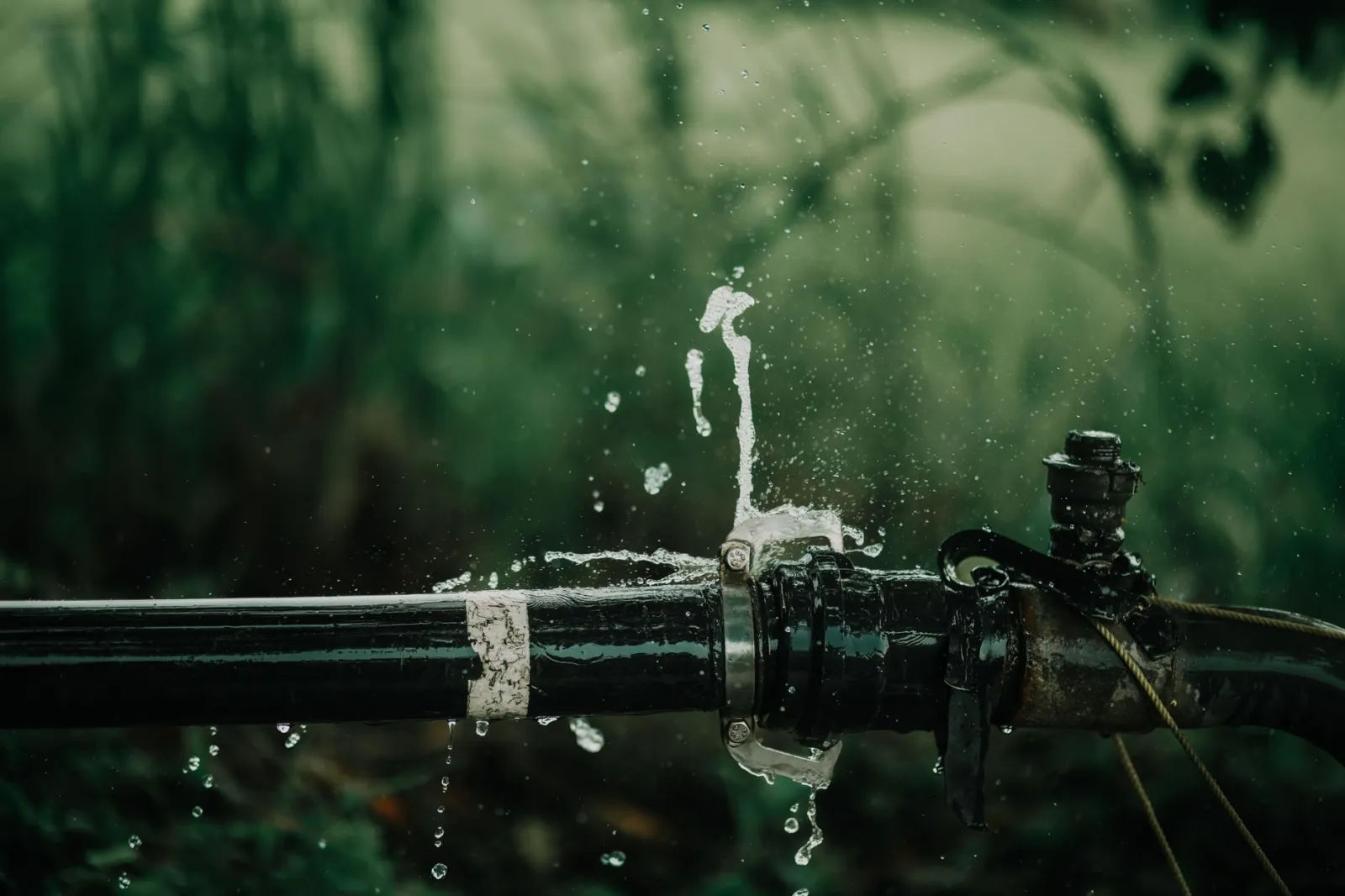
Plumbing problems range from a five-minute fix to a genuine emergency, and knowing the difference saves both money and water damage. Some issues are well within a careful homeowner's reach; others can quickly turn a small leak into an expensive flood if handled wrong. This guide sorts the common problems into what you can safely DIY and what calls for a licensed plumber.
Know where your shutoff is first
Before any plumbing issue arises, find your main water shutoff valve and the shutoffs under sinks and behind toilets. In a leak emergency, shutting off the water fast is the difference between a mop-up and a major repair. This single piece of knowledge is the most valuable plumbing skill a homeowner can have, so locate and test your shutoffs today.
Problems most homeowners can DIY
- A clogged drain: a plunger or a drain snake handles most clogs; avoid harsh chemical cleaners, which can damage pipes.
- A running toilet: usually a worn flapper or fill valve, both inexpensive and straightforward to replace.
- A dripping faucet: often a worn washer or cartridge that a patient DIYer can swap.
- A clogged showerhead: mineral buildup that soaking in vinegar usually clears.
These fixes need basic tools and a little patience, and the parts are cheap. If a simple repair does not solve the problem, that is often a sign the issue runs deeper than it appears.
Problems that need a licensed plumber
- Low water pressure throughout the house: can indicate a supply or pipe issue that needs diagnosis.
- A leak inside a wall or ceiling: water stains or damp spots signal a hidden leak that risks structural and mold damage.
- Sewer line problems: multiple slow drains, gurgling, or sewage backups point to a main-line issue.
- Water heater repairs and replacements: beyond basic maintenance, these involve gas, electrical, and pressure safety.
- Anything involving gas lines: always a professional job, no exceptions.
Why some jobs are not worth DIYing
Water damage is expensive and fast, and a botched repair can cause far more harm than the original problem. Pipes hidden in walls, gas connections, and main lines carry real risk and often require permits and code compliance. Paying a licensed, insured plumber for these is not a luxury; it is cheaper than the flood, the mold remediation, or the safety hazard a mistake can cause.
How to hire a plumber well
For the jobs that need a pro, confirm the plumber is licensed and insured, get a written estimate before work begins, and ask them to explain the problem and the fix. For non-emergencies, get more than one quote. As with any trade, a clear explanation and an itemized estimate are signs of a professional, while vagueness and pressure are reasons to keep looking.
Prevent problems before they start
A little prevention avoids many calls. Do not pour grease down drains, use drain strainers, never flush wipes or anything but toilet paper, insulate pipes against freezing, and address small leaks promptly before they grow. Knowing your shutoffs and doing this basic maintenance keeps minor issues from becoming emergencies.
Quick recap
- Find and test your main and fixture shutoff valves before you ever need them.
- DIY clogged drains, running toilets, dripping faucets, and clogged showerheads.
- Call a licensed plumber for hidden leaks, sewer-line issues, water heaters, and anything with gas.
- Prevent problems with strainers, careful disposal habits, and prompt attention to small leaks.
Smart plumbing decisions come down to knowing your limits and your shutoff valves. Handle the simple, low-risk fixes yourself, call a licensed plumber for hidden, high-risk, or code-regulated work, and prevent trouble with basic habits. That balance saves money on the easy jobs and saves you from disasters on the hard ones.
Frequently asked questions
What plumbing can I safely DIY?
Clogged drains (with a plunger or snake), running toilets (usually a flapper or fill valve), dripping faucets (a worn washer or cartridge), and clogged showerheads. These need basic tools and cheap parts.
When should I call a plumber instead?
For low pressure throughout the house, leaks inside walls or ceilings, sewer-line problems, water heater repairs, and anything involving gas lines. These carry real risk and often need permits and code compliance.
What's the most important plumbing skill for a homeowner?
Knowing where your main and fixture shutoff valves are and how to use them. Shutting off the water fast in a leak is the difference between a quick mop-up and a major repair.
Sources & references
- Preventing household water leaks — U.S. Environmental Protection Agency (accessed Jun 2026)
- Hiring a licensed plumber — Better Business Bureau (accessed Jun 2026)