How to Negotiate With Contractors (Without Being Difficult)
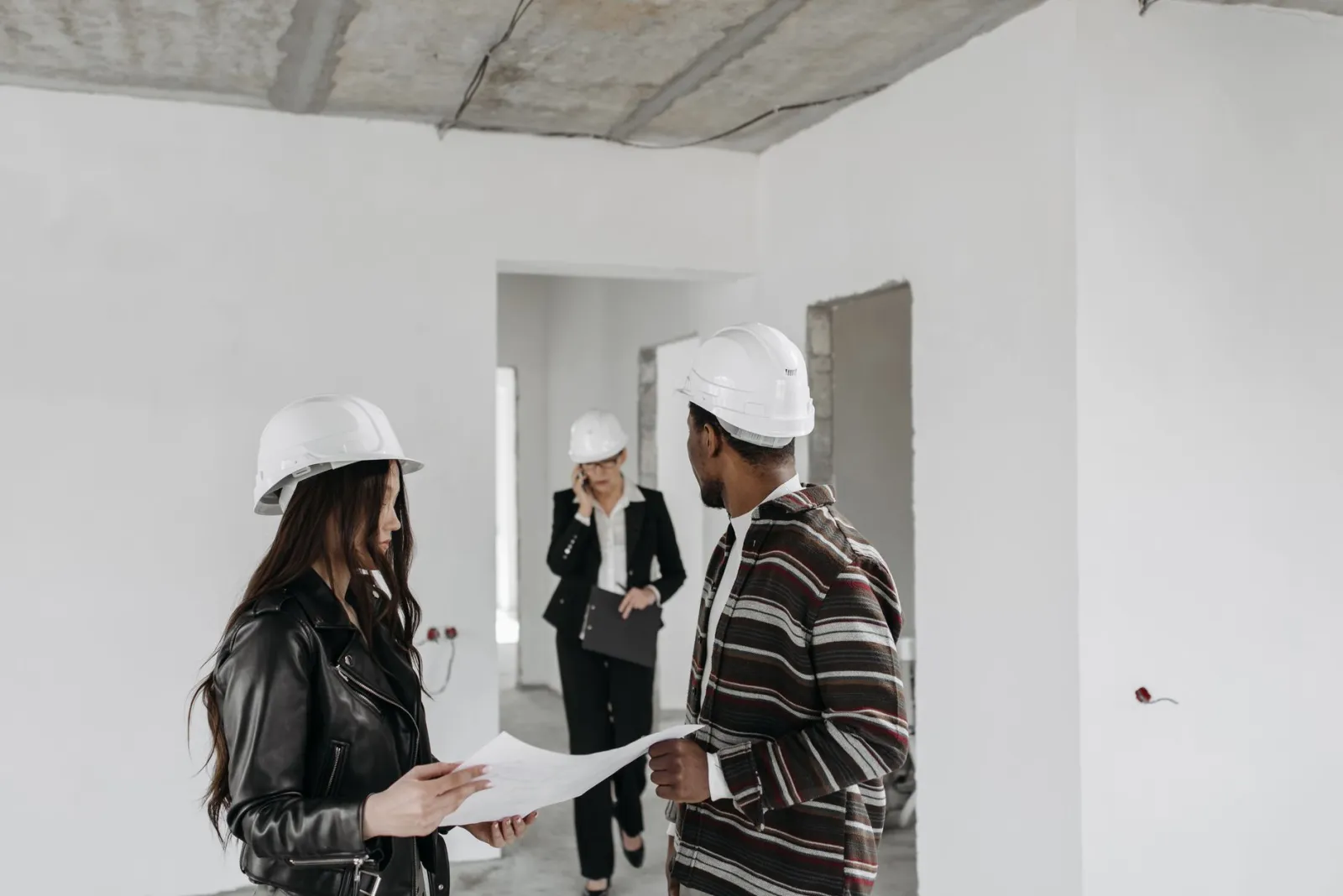
Negotiating with a contractor makes many homeowners uncomfortable, so they either overpay silently or push so hard they damage the working relationship. There is a better middle path. Smart, respectful negotiation gets you fair value and a contractor who still wants to do great work. This guide covers what is actually negotiable, what is not, and how to do it without becoming the client nobody wants.
Negotiate on value, not just price
The goal is not simply the lowest number; it is the best value. A contractor squeezed to an unsustainable price may cut corners, use cheaper materials, or deprioritize your job. Aim for a fair price that lets a good contractor do good work and stay motivated. Framing the conversation around value and scope, rather than just hammering the total, keeps the relationship healthy.
Get multiple itemized quotes first
Your strongest negotiating tool is information. Collect at least three itemized quotes for the same scope. This shows you the real market range and reveals what each contractor includes. When quotes differ, you can ask a contractor to explain the gap, which is a natural, non-confrontational way to open a conversation about price and scope.
What is usually negotiable
- Scope and materials: adjusting finishes or doing some prep yourself can lower the price.
- Timing: flexible scheduling, or work during a contractor's slower season, can earn a better rate.
- Payment schedule: tying payments to milestones is reasonable and protects you.
- Bundling: combining several jobs can improve the overall price.
What is usually not worth pushing
Be cautious about negotiating away the things that protect you: proper insurance, permits, quality materials for critical components, and a fair workmanship warranty. Pushing a contractor below a sustainable price, or pressuring them to skip a permit, does not save money in the long run; it buys risk. The savings that come from cutting corners almost always cost more later.
How to ask, respectfully
Be direct, polite, and specific. Rather than demanding a discount, ask questions: is there a way to bring this closer to my budget, are there options that would reduce the cost, or how does this compare with other quotes I have. Acknowledge good work and reasonable pricing. Contractors respond far better to a respectful, informed client than to an adversarial one, and a good relationship can mean better service throughout the project.
Get everything in writing
Once you agree, put the final scope, price, materials, timeline, payment schedule, and any negotiated changes in a written contract. A handshake deal invites disputes; a clear written agreement protects both sides and is itself a sign of a professional arrangement. Never rely on verbal promises for anything that matters.
Know when to walk away
Sometimes the right move is to decline. If a contractor will not provide a written contract, demands a large cash deposit, pressures you to decide immediately, or refuses to discuss scope reasonably, those are signals to keep looking. Walking away from a bad fit is not failed negotiation; it is good judgment.
Quick recap
- Negotiate for value and a fair price, not just the lowest number that may invite corner-cutting.
- Gather at least three itemized quotes so you know the real range.
- Negotiate scope, timing, payment schedule, and bundling; protect insurance, permits, and warranty.
- Ask respectfully, get everything in writing, and walk away from clear red flags.
Negotiating with a contractor well is about being informed and respectful, not aggressive. Know the market through multiple quotes, focus on value and scope, protect the things that protect you, and keep the tone collaborative. Do that and you get a fair price and a contractor who is genuinely invested in doing right by your project.
Frequently asked questions
Can you negotiate with contractors?
Yes, respectfully. Scope, materials, timing, payment schedule, and bundling several jobs are often negotiable. The goal is fair value, not the lowest possible number, which can invite corner-cutting.
What shouldn't I negotiate away?
The things that protect you: proper insurance, permits, quality materials for critical components, and a fair workmanship warranty. Pushing below a sustainable price or skipping permits buys risk, not savings.
How do I negotiate without souring the relationship?
Be direct, polite, and specific. Ask whether there's a way to fit your budget or options to reduce cost, acknowledge good work, and use multiple quotes as a natural reference. Respectful clients get better service.
Sources & references
- Hiring and working with contractors — Federal Trade Commission (accessed Jun 2026)
- Contractor disputes and best practices — Better Business Bureau (accessed Jun 2026)