Do You Need an Electrical Panel Upgrade? Signs and What It Costs
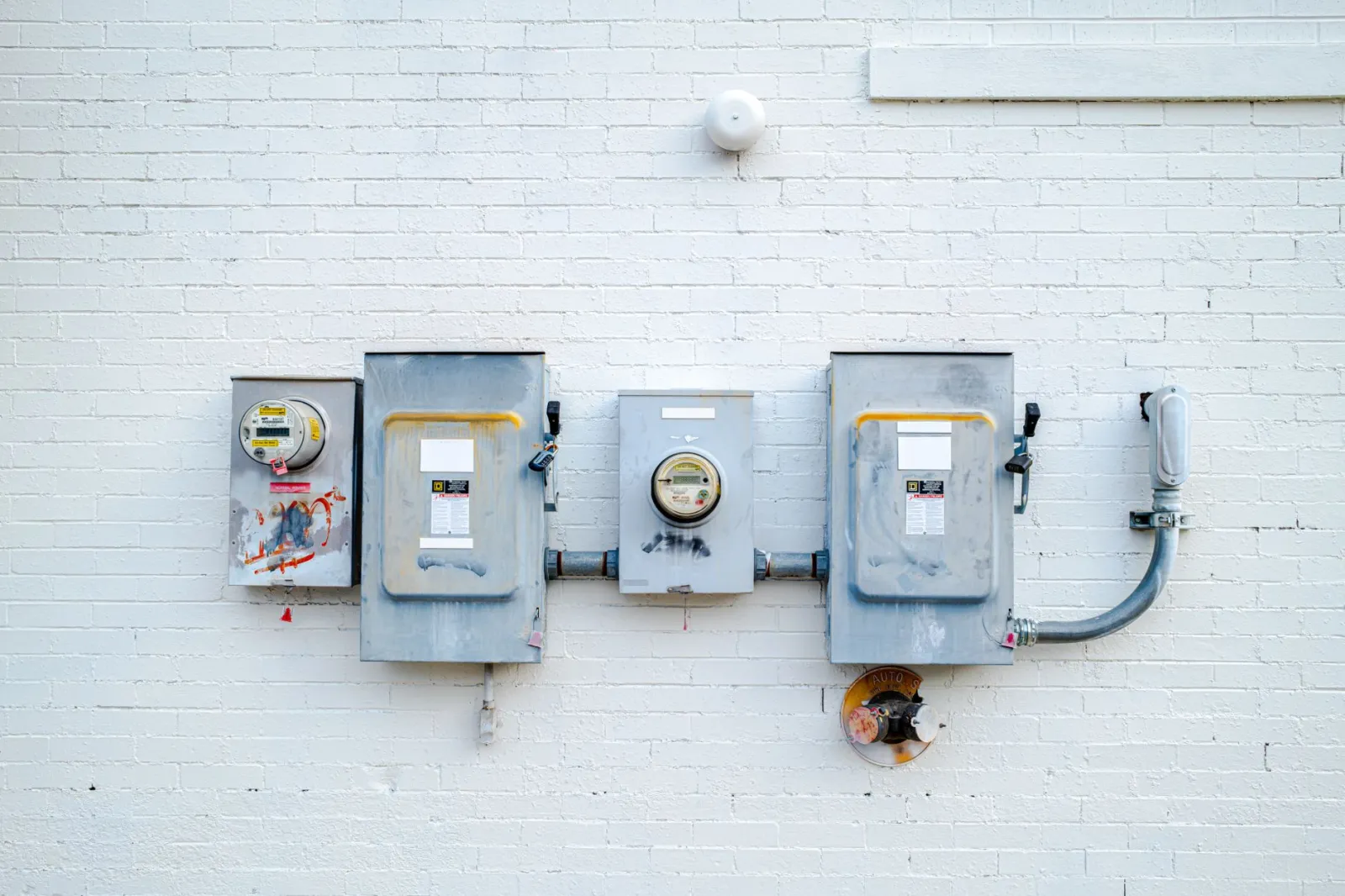
Your electrical panel is the heart of your home's power, and an old or undersized one can quietly become a safety hazard or simply fail to keep up with modern demands. Knowing the warning signs helps you decide whether an upgrade is genuinely needed or whether a salesperson is overselling. Here is how to tell, what affects the cost, and how to get it done safely.
What an electrical panel does
The panel, sometimes called a breaker box, takes the power coming into your home and distributes it safely to circuits, tripping a breaker if a circuit draws too much. Older homes were often built for far less electrical load than today's households use, with their EV chargers, heat pumps, and dozens of devices. When demand outgrows the panel, you see warning signs, and in older or damaged panels, real safety risks.
Signs you may need an upgrade
- Breakers trip frequently even under normal use, signaling the panel can't handle the load.
- You rely on power strips and extension cords because you don't have enough outlets or circuits.
- Lights flicker or dim when large appliances kick on.
- The panel is old or is a type known to be problematic; some decades-old panels have safety concerns.
- You're adding major loads like an EV charger, hot tub, central air, or a home addition.
- Signs of damage: warmth, buzzing, scorch marks, or a burning smell — these mean call an electrician immediately.
What drives the cost
The price of a panel upgrade depends on the new panel's capacity, how much rewiring or new breakers are needed, whether the service entrance and meter must be upgraded too, the accessibility of the panel, and local permit and inspection fees. Upgrading capacity (for example, to support an EV charger and heat pump) costs more than a like-for-like replacement. Because requirements vary widely by home, an itemized quote from a licensed electrician is the only reliable number.
Upgrade or just add a circuit?
Not every electrical frustration requires a full panel upgrade. Sometimes you simply need an additional circuit or a subpanel for a specific area, which is far cheaper. A good electrician will tell you honestly whether your existing panel has the capacity and spare slots to add what you need, or whether the panel itself is the limit. Be wary of anyone who jumps straight to a full replacement without assessing this.
Why this is not a DIY job
Electrical panel work involves the main power supply and carries serious risk of shock, fire, and code violations. This is genuinely a job for a licensed, insured electrician, and most areas legally require a permit and inspection. Beyond safety, improper work can void insurance and create problems when you sell the home. The cost of doing it right is far less than the cost of an electrical fire or a failed inspection later.
How to hire the right electrician
Confirm the electrician is licensed and insured, and that they will pull the required permit and arrange inspection. Get itemized written quotes from two or three, and make sure they specify the panel capacity, what's included, and the permit and inspection fees. Ask whether your situation truly needs a full upgrade or a smaller fix. A reputable electrician explains the why, not just the price.
Quick recap
- Watch for frequent breaker trips, flickering lights, reliance on power strips, an aging panel, or any signs of heat or burning.
- Cost depends on capacity, rewiring, service-entrance work, accessibility, and permits — get an itemized quote.
- Sometimes a new circuit or subpanel is enough; don't let anyone jump straight to a full replacement.
- Always use a licensed, insured electrician who pulls a permit — this is never a DIY job.
An electrical panel upgrade is sometimes essential for safety and modern power needs, and sometimes a smaller fix will do. Learn the warning signs, get an honest assessment from a licensed electrician, and insist on permits and itemized quotes. That way you pay for what you actually need and your home stays safe.
Frequently asked questions
How do I know if my electrical panel needs upgrading?
Common signs include breakers tripping often, flickering or dimming lights, heavy reliance on power strips, an aging panel, or plans to add big loads like an EV charger. Any heat, buzzing, or burning smell means call an electrician right away.
Do I always need a full panel upgrade?
No. Sometimes adding a circuit or a subpanel is enough and far cheaper. A good electrician will assess whether your panel has spare capacity before recommending a full replacement.
Can I upgrade an electrical panel myself?
No. Panel work involves the main power supply with serious shock and fire risk, and most areas legally require a licensed electrician, a permit, and an inspection. Improper work can also void insurance.
Sources & references
- Electrical safety in the home — Electrical Safety Foundation International (accessed Jun 2026)
- Home electrical safety standards — National Fire Protection Association (accessed Jun 2026)