Installing an EV Charger at Home: What to Know Before You Buy
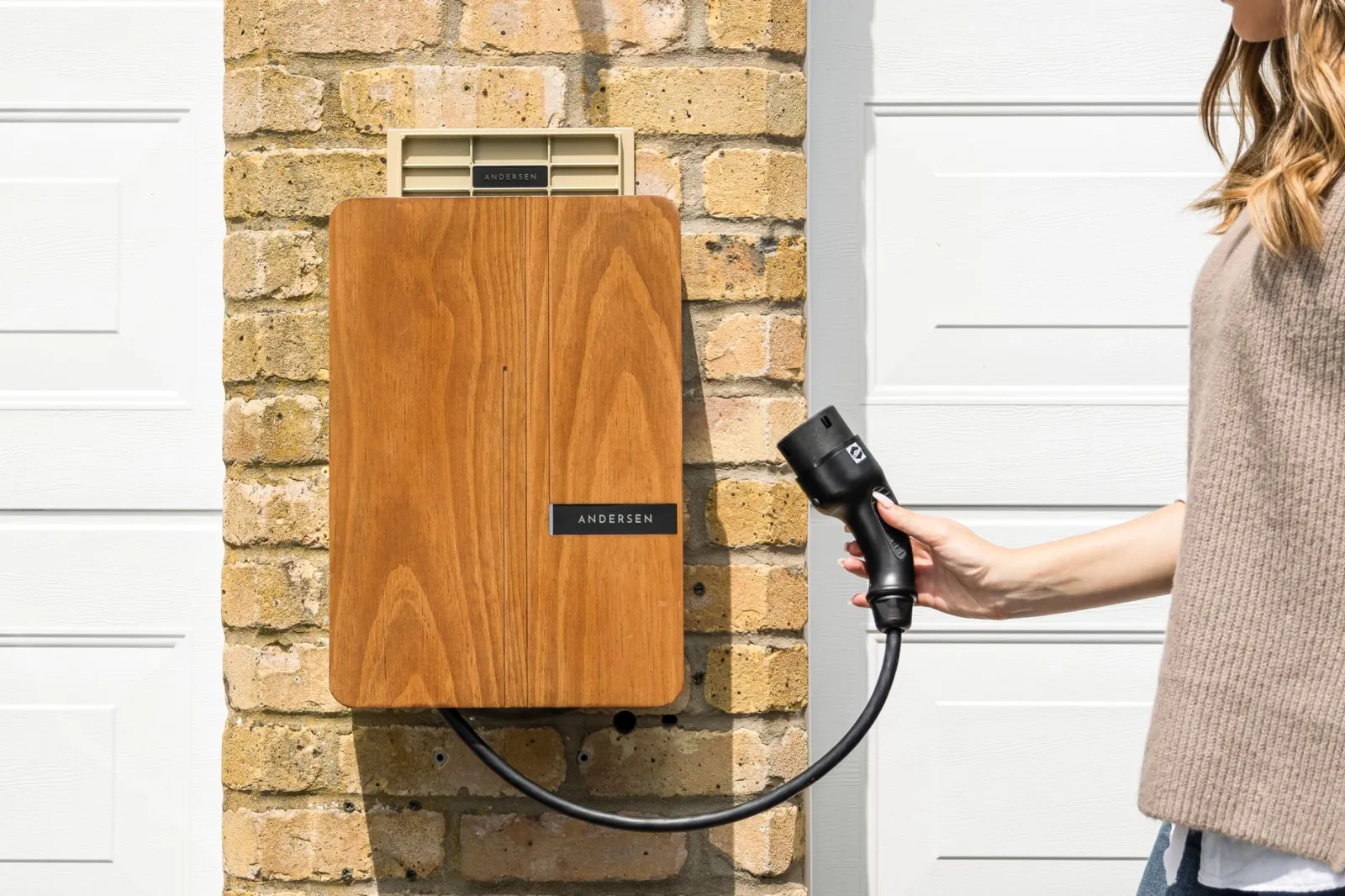
Charging an electric vehicle at home is one of the biggest conveniences of ownership, but the installation involves more than plugging in a box. The charger level you choose, your home's electrical capacity, and proper installation all shape both the experience and the cost. This guide covers what to know before you buy, so you end up with safe, reliable home charging at a fair price.
Understand the charger levels
Home charging generally comes in two levels. Level 1 uses a standard household outlet and adds range slowly, which can be fine for low-mileage drivers or plug-in hybrids. Level 2 uses a higher-voltage circuit, like a dryer, and charges several times faster, making it the practical choice for most electric vehicle owners. Most people installing a dedicated charger are choosing Level 2, which is where the electrical work comes in.
Check your electrical panel first
A Level 2 charger draws significant power, so the key question is whether your electrical panel has the spare capacity to add a dedicated circuit. Older homes or full panels may need a panel upgrade or load management to handle the additional load safely. This is often the biggest variable in the total cost, so have an electrician assess your panel before you assume a simple install.
Why this is a job for a licensed electrician
Installing a Level 2 charger means adding a dedicated high-amperage circuit, which is real electrical work that must meet code and pass inspection. This is not a DIY project. A licensed, insured electrician sizes the circuit correctly, installs it safely, pulls the permit, and ensures the work is inspected. Cutting corners here risks fire and voids both safety and any incentives that require professional installation.
What drives the installation cost
- Panel capacity: a panel upgrade is the most common cost driver.
- Distance from panel to parking: a long wiring run through finished walls adds labor.
- The charger itself: hardwired versus plug-in, and smart features.
- Permits and inspection: required in most jurisdictions.
Because these vary so much by home, get an electrician to assess your specific situation rather than relying on a generic figure.
Choose the right charger
Match the charger to your vehicle and habits. Consider the amperage it supports relative to what your car and circuit can use, whether you want a hardwired or plug-in unit, cable length, weatherproofing if it will be outdoors, and smart features like scheduling to charge during cheaper off-peak hours. A scheduling feature alone can meaningfully lower your charging costs over time.
Look into incentives
Utilities, states, and federal programs sometimes offer rebates or incentives for home charger installation, and many utilities offer cheaper overnight electricity rates for EV charging. These can offset a real share of the cost, but eligibility and availability change, so confirm what currently applies in your area, and note that some incentives require professional installation and permits.
Quick recap
- Most owners want a Level 2 charger for its faster charging.
- Have an electrician check whether your panel has capacity; an upgrade is the common cost driver.
- Always use a licensed electrician with a permit and inspection; this is not a DIY job.
- Match the charger to your car and habits, use off-peak scheduling, and check current incentives.
Home EV charging is a worthwhile upgrade when it is done right. Pick the level that fits your driving, get your panel assessed, hire a licensed electrician for the safe and code-compliant install, and take advantage of incentives and off-peak rates. Do that and you get fast, reliable charging in your own driveway without overpaying or cutting safety corners.
Frequently asked questions
Do I need a Level 2 charger at home?
Most EV owners do, because it charges several times faster than a standard outlet. Low-mileage drivers or plug-in hybrids may manage with Level 1. Level 2 requires a dedicated higher-voltage circuit.
Can I install an EV charger myself?
No. A Level 2 charger needs a dedicated high-amperage circuit that must meet code and pass inspection. Hire a licensed, insured electrician who pulls the permit; DIY risks fire and can void incentives.
What makes EV charger installation expensive?
The most common driver is whether your electrical panel has spare capacity; a panel upgrade adds cost. Distance from the panel to your parking spot, the charger type, and permits also matter.
Sources & references
- Electric vehicle charging at home — U.S. Department of Energy (accessed Jun 2026)
- Home electrical safety — U.S. Consumer Product Safety Commission (accessed Jun 2026)