Is Home Solar Worth It? How to Run the Numbers
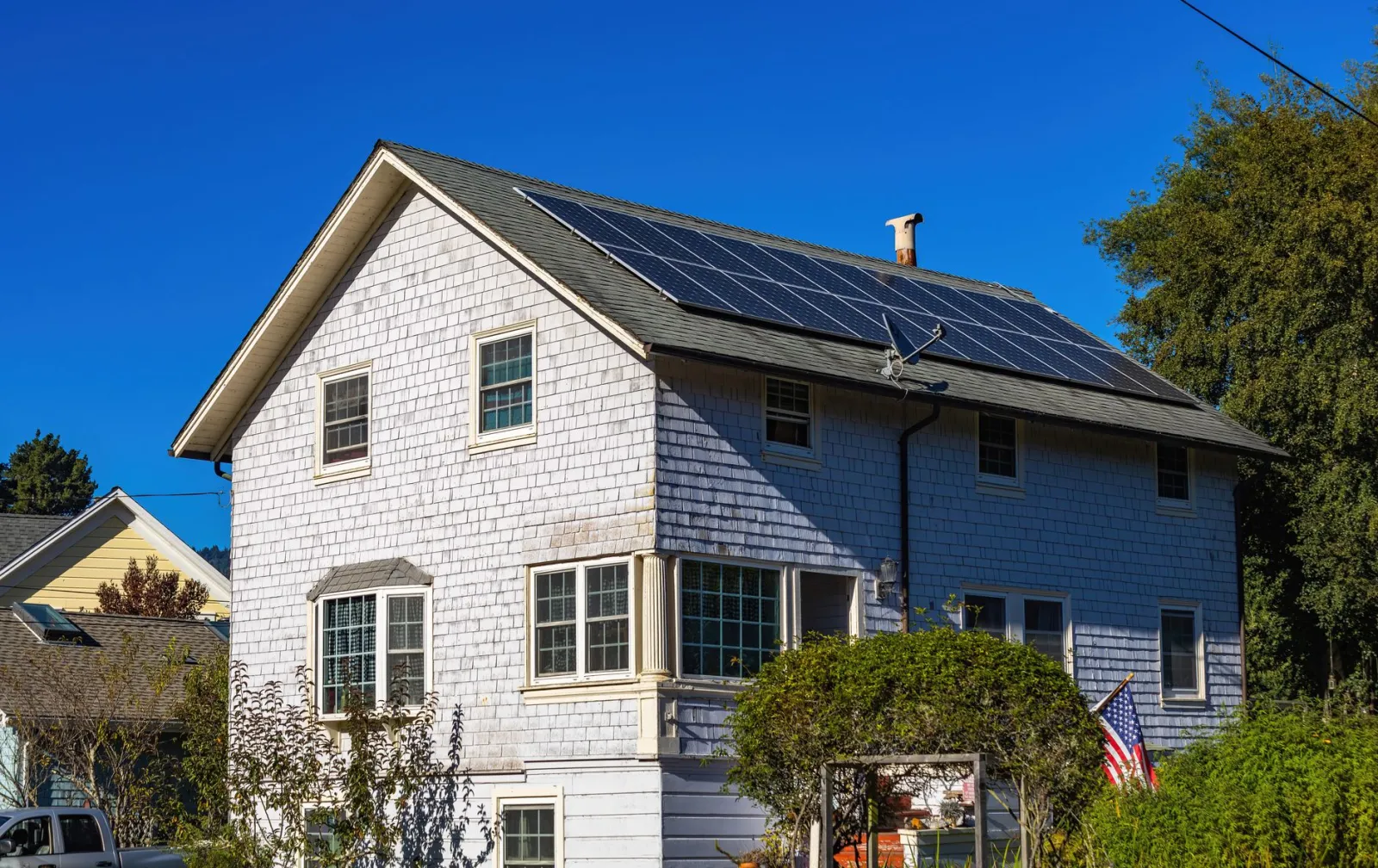
Solar can be an excellent investment or a mediocre one, and the difference comes down to your specific situation rather than a one-size answer. Before you trust a salesperson's projection, it helps to understand how to run the numbers yourself. This guide gives you an honest framework for deciding whether home solar is worth it for your home, your roof, and your electricity costs.
The factors that decide it
- Your electricity costs: the higher your rates and usage, the more solar can save, which is the single biggest factor.
- Your roof and sunlight: orientation, shading, angle, and how much usable, unshaded space you have all affect production.
- Local incentives: federal, state, and utility incentives can substantially change the math.
- How you pay: cash, loan, lease, or power-purchase agreement each produce very different economics.
- How your utility credits solar: the way you are compensated for excess power matters a lot.
How to estimate payback
The core question is the payback period: how long until the savings cover the net cost. Start with the system's net cost after incentives. Then estimate annual savings from the electricity the system offsets at your current rates. Dividing the net cost by the annual savings gives a rough payback in years. A shorter payback relative to the system's long lifespan means a stronger investment. Be conservative with the savings estimate and skeptical of projections that assume aggressive rate increases.
Understand how you are credited
How your utility compensates you for the excess electricity your panels send to the grid heavily influences the savings. Some areas credit you at favorable rates; others much less. Because these policies vary and change, confirm exactly how your utility handles solar before you rely on any savings estimate. This single detail can make or break the economics.
Buying versus financing
Paying cash typically yields the best lifetime return because there is no interest. A loan spreads the cost but adds interest, so confirm the savings still exceed the payment. Leases and power-purchase agreements can reduce upfront cost to little or nothing, but you do not own the system, the savings are usually smaller, and they can complicate a future home sale. Read these contracts as carefully as you would a mortgage.
When solar is most worth it
Solar tends to make the most sense when you have high electricity costs, a sunny and suitably oriented roof with little shading, access to good incentives, favorable utility credit for excess power, and plans to stay in the home long enough to pass the payback point. The more of these that line up, the stronger the case. When several do not, the payback stretches and the decision gets closer.
Be skeptical of the sales pitch
Solar sales can be aggressive, with rosy projections and pressure to sign. Run your own conservative numbers, get multiple itemized quotes, and never decide on the spot. If an installer will not give you the figures in writing or pushes a same-day discount, treat that as a warning. A genuinely good solar investment will still be good next week.
Quick recap
- Your electricity rates and usage are the biggest factor in whether solar pays off.
- Estimate payback by dividing the net cost after incentives by realistic annual savings.
- Confirm how your utility credits excess power, since it can make or break the math.
- Cash usually wins on lifetime return; read lease and power-purchase contracts carefully.
Whether home solar is worth it is a numbers question, and the numbers are yours, not a salesperson's. Look at your rates, your roof, your incentives, and how long you will stay, run a conservative payback estimate, and get several quotes in writing. Do that and you will know whether solar is a smart investment for your home rather than just a confident pitch.
Frequently asked questions
How do I calculate solar payback?
Take the system's net cost after incentives and divide it by your realistic estimated annual electricity savings. The result is a rough payback in years; a short payback relative to the system's lifespan signals a stronger investment.
What makes solar worth it for a home?
High electricity rates and usage, a sunny well-oriented roof with little shading, good incentives, favorable utility credit for excess power, and plans to stay long enough to pass the payback point.
Is it better to buy or lease solar?
Paying cash usually gives the best lifetime return. Loans add interest; leases and power-purchase agreements lower upfront cost but reduce savings, mean you don't own the system, and can complicate a home sale.
Sources & references
- Homeowner's guide to going solar — U.S. Department of Energy (accessed Jun 2026)
- Avoiding solar scams — Federal Trade Commission (accessed Jun 2026)