Solar Battery Storage: Is Home Backup Power Worth It?
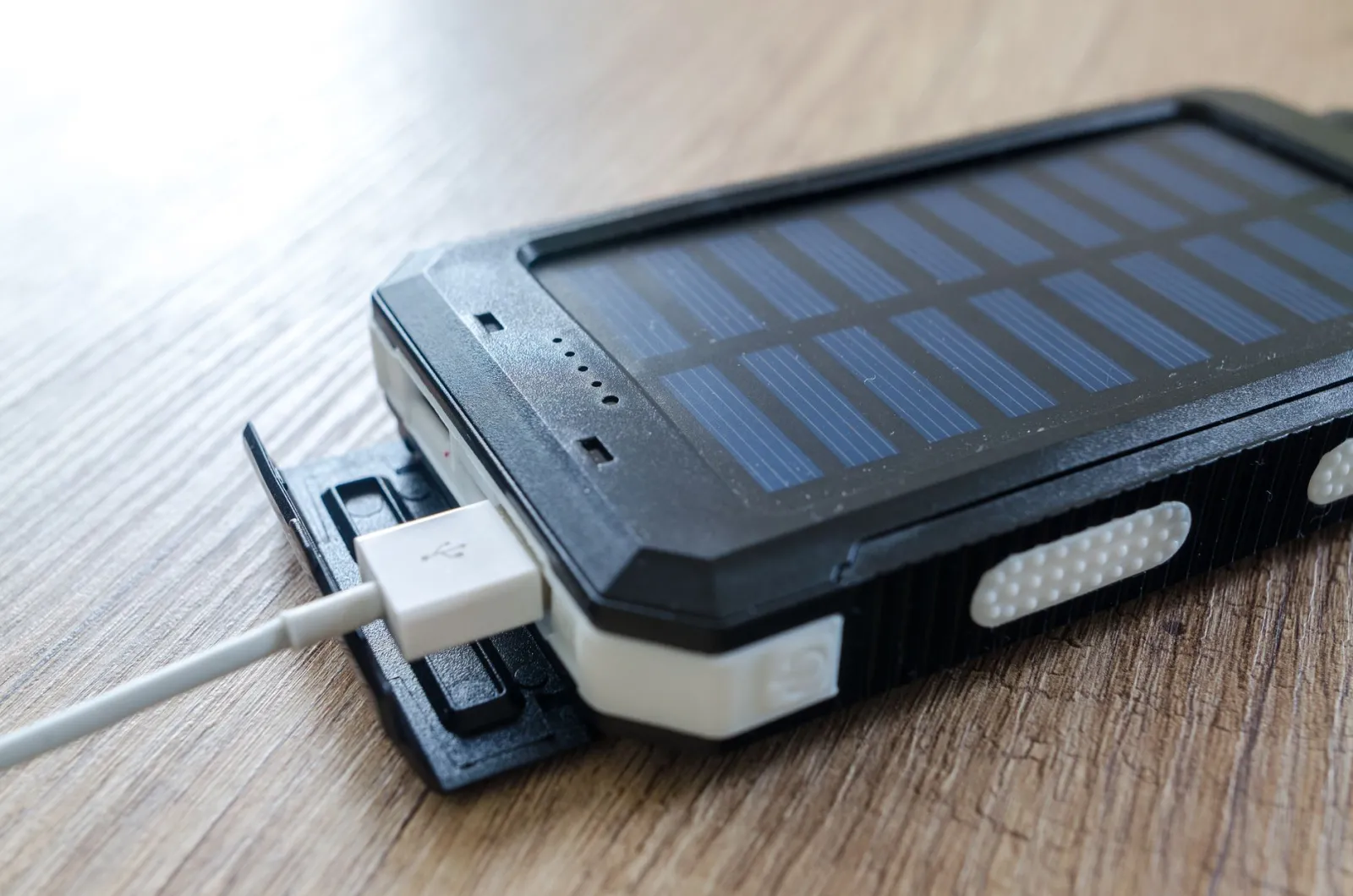
Adding a battery to a solar system is increasingly popular, but it is also a significant extra cost, and whether it pays off depends heavily on your situation. Before you add thousands to a solar quote, it helps to understand what a battery actually does for you and when it is genuinely worth it. Here is an honest look at home battery storage and how to decide.
What a solar battery actually does
A home battery stores the excess electricity your panels produce during the day so you can use it later — in the evening, or when the grid goes down. Without a battery, most grid-tied solar systems actually shut off during a power outage for safety, which surprises many owners. So a battery serves two main purposes: backup power during outages, and using more of your own solar energy instead of drawing from the grid at night.
When a battery is most worth it
- Frequent or long outages: if your area loses power often, backup power has real value beyond money.
- Unfavorable solar credit: if your utility pays little for excess solar you send back, storing and using it yourself is worth more.
- Time-of-use pricing: if electricity costs much more at peak evening hours, a battery lets you avoid those rates.
- Medical or critical needs: if losing power is more than an inconvenience, reliable backup can be essential.
When it may not pay off
If your area rarely loses power, your utility credits excess solar generously, and your rates are flat, a battery's financial payback can be long and the practical benefit modest. In those cases the money might be better spent on more panels or simply kept, unless backup security matters to you for peace of mind. Be honest about which of these describes you.
The cost and payback reality
Batteries add a substantial amount to a solar project, and their financial payback is usually longer than the panels' alone. Incentives can help, and they sometimes specifically reward storage, so check what currently applies in your area. But it is healthiest to view a battery partly as resilience and convenience rather than purely as an investment with a fast return. If the numbers alone have to justify it, the case is often marginal; if backup power has real value to you, the calculation changes.
Sizing and practical notes
A battery does not power your whole home indefinitely; it covers selected essential circuits for a limited time, sized to your needs. Decide what you actually need to keep running during an outage — refrigerator, some lights, internet, medical devices — and size accordingly rather than over-buying. Ask your installer to model realistic backup duration for your priorities.
How to decide
Weigh three things honestly: how often and how long your power goes out, how your utility prices and credits electricity, and how much you value energy security. Get itemized quotes that separate the battery cost so you can see exactly what it adds, and ask the installer to show both the financial payback and the realistic backup it provides. Then decide whether resilience plus savings justifies the extra cost for you.
Quick recap
- A battery stores solar energy for evening use and provides backup power during outages, which most grid-tied systems otherwise can't.
- It's most worth it with frequent outages, poor solar credit, time-of-use pricing, or critical power needs.
- It adds substantial cost with a longer payback than panels alone — part investment, part resilience.
- Size it to your essential circuits, check incentives, and get the battery cost itemized separately.
A solar battery is worth it when energy security and self-use genuinely matter for your home, and more marginal when outages are rare and your utility already credits solar well. Look honestly at your outages, your rates, and how much backup power is worth to you, get the cost itemized, and you can decide with clear eyes rather than on a salesperson's enthusiasm.
Frequently asked questions
Does solar work during a power outage without a battery?
Usually no. Most grid-tied solar systems shut off during an outage for safety. A battery is what lets you keep selected circuits powered when the grid goes down.
Is a solar battery worth the cost?
It's most worth it with frequent outages, low solar export credit, time-of-use pricing, or critical power needs. With rare outages and generous solar credit, the payback is longer and the case more marginal.
Will a battery power my whole house?
Not indefinitely. A home battery typically powers selected essential circuits for a limited time. Decide what you need to keep running during an outage and size the battery to that.
Sources & references
- Solar and energy storage basics — U.S. Department of Energy (accessed Jun 2026)
- Home energy resilience — ENERGY STAR (accessed Jun 2026)