Roof Inspection: What to Expect and When You Need One
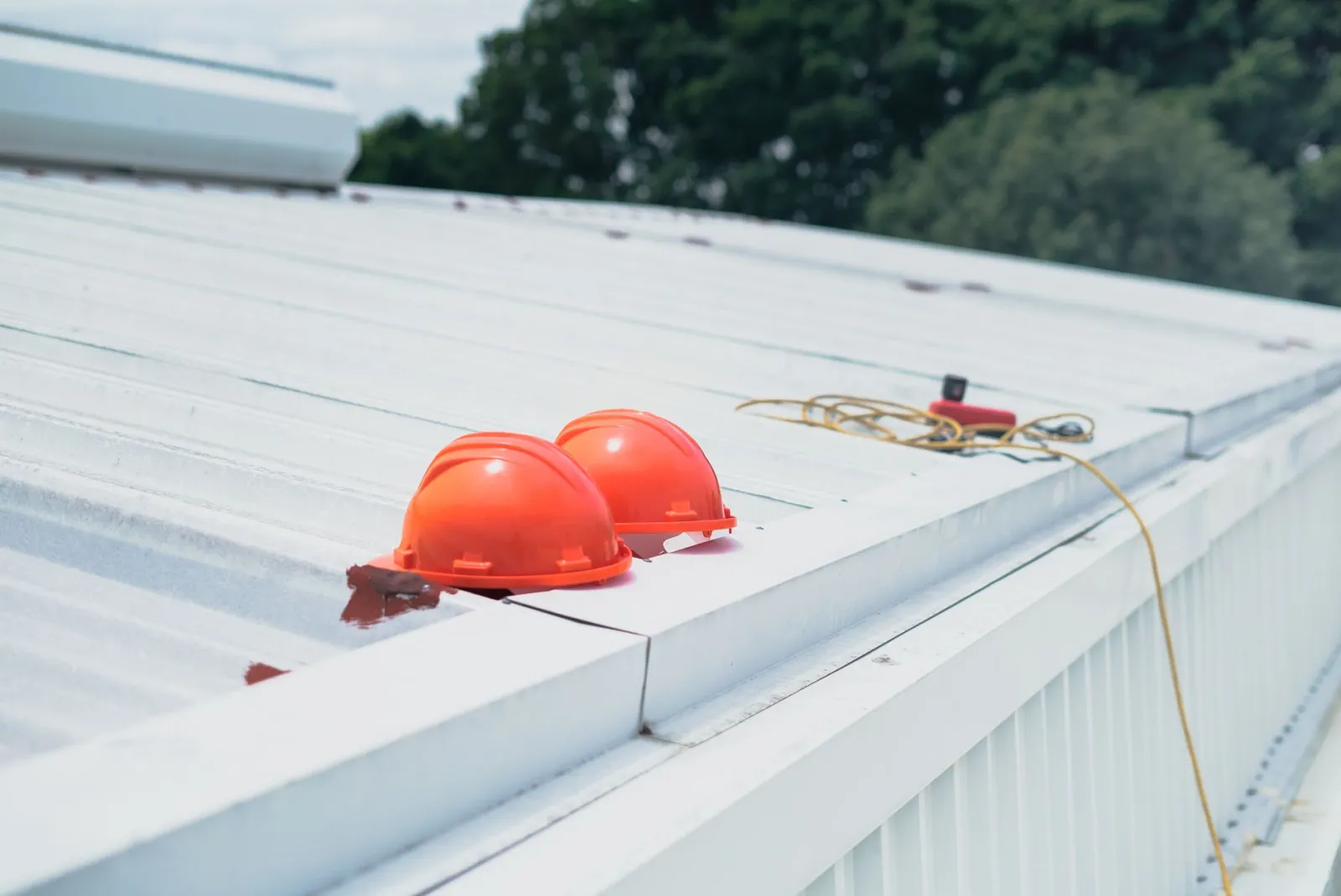
A roof inspection is one of the cheapest ways to avoid an expensive surprise, yet most homeowners never get one until there's already a leak. Knowing what an inspection covers and when to schedule one helps you catch small problems before they become major repairs. Here is what to expect and how to make the most of it.
Estimate
| Range | Typical cost |
|---|---|
| Low end | $7,000 |
| Average | $13,500 |
| High end | $30,000 |
Why inspections matter
Roofs fail gradually, and the early signs are easy to miss from the ground. A small lifted shingle, a cracked vent boot, or worn flashing can let water in long before you see a stain on the ceiling. By the time damage is visible inside, the repair is usually far bigger. A periodic inspection catches these issues while they're still cheap to fix, which is why it's one of the best-value things you can do for your home.
What an inspection covers
- Shingles or roofing material: missing, cracked, curling, or worn areas.
- Flashing: the metal around chimneys, vents, and valleys where leaks often start.
- Gutters and drainage: whether water is moving off the roof properly.
- Vent boots and seals: common, easy-to-miss leak points.
- Attic and underside: signs of moisture, daylight, or poor ventilation from inside.
When to get one
Good times to schedule an inspection include: after a major storm with high winds or hail, when buying or selling a home, once your roof reaches middle age, before your warranty expires, and periodically as preventive maintenance. If you've noticed any interior stains, granules in your gutters, or daylight in the attic, get one promptly. Catching a problem after a storm can also matter for an insurance claim.
Who should do it
A reputable, licensed roofing contractor or a professional inspector should perform it. Be cautious of anyone who knocks on your door after a storm offering a free inspection and immediately finds extensive, urgent damage — that's a common pressure tactic. A trustworthy inspector documents findings with photos, explains what's urgent versus what to watch, and gives you a written report without pressuring you into a huge job on the spot.
What to do with the findings
A good inspection report should separate true problems from minor wear. Use it to plan: address active leaks or safety issues now, budget for medium-term repairs, and simply monitor minor items. If the inspector recommends major work, get a second opinion and itemized quotes before committing, especially for anything approaching a full replacement. The report is a planning tool, not an automatic order to spend.
Inspection vs replacement pressure
The most important caution: an inspection should inform you, not stampede you. If a single inspection jumps straight to "you need a full new roof" with urgency and a same-day discount, slow down and verify. Plenty of roofs flagged for replacement actually need targeted repairs. A second independent opinion costs little and protects you from an unnecessary five-figure decision.
Quick recap
- Inspections catch small roof problems early, while they're still cheap to fix.
- They cover shingles, flashing, drainage, vent boots, and the attic underside.
- Get one after major storms, when buying or selling, at middle age, and as preventive maintenance.
- Use a reputable inspector, treat the report as a planning tool, and get a second opinion before any major work.
A roof inspection is cheap insurance against a costly surprise. Schedule one after big storms and as periodic maintenance, use a trustworthy professional, and treat the findings as a plan rather than a pressure sale. Do that and you'll fix small problems while they're small, and never be stampeded into an unnecessary new roof.
Frequently asked questions
When should I get my roof inspected?
Good times include after major storms, when buying or selling a home, when the roof reaches middle age, before a warranty expires, and periodically as preventive maintenance. Get one promptly if you see interior stains or attic daylight.
What does a roof inspection cover?
The roofing material, flashing around chimneys and vents, gutters and drainage, vent boots and seals, and the attic underside for moisture or ventilation problems.
Should I trust a free post-storm roof inspection?
Be cautious. Door-knockers who immediately find extensive, urgent damage and push a same-day job are using a common pressure tactic. Use a reputable inspector and get a second opinion before any major work.
Sources & references
- Roofing maintenance guidance — National Roofing Contractors Association (accessed Jun 2026)
- Avoiding home repair and storm-chaser scams — Better Business Bureau (accessed Jun 2026)