Roof Leak? What to Do First and How to Hire the Right Pro
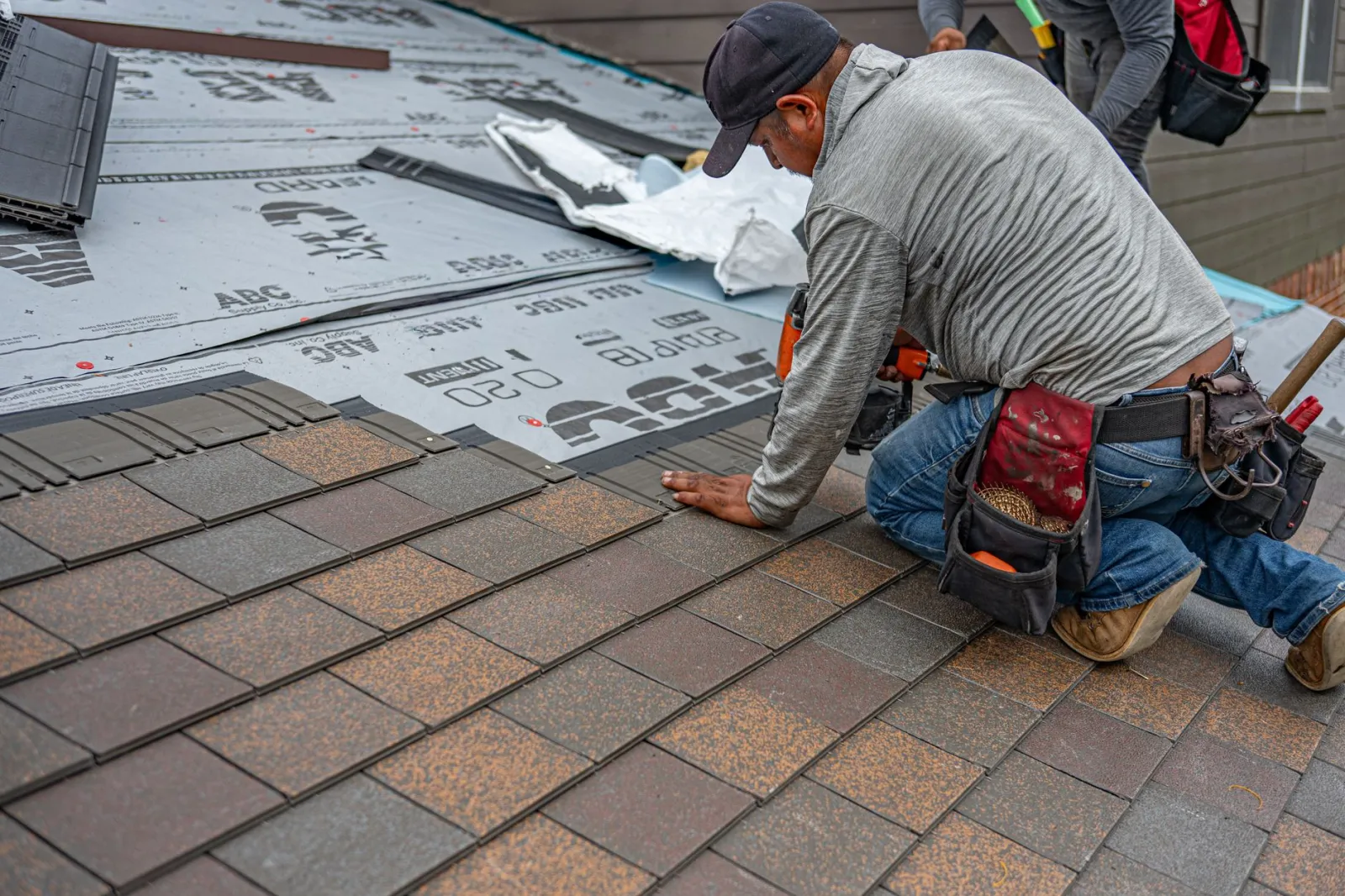
A roof leak is stressful, and what you do in the first hour can mean the difference between a minor repair and major water damage. The good news is that a few calm steps protect your home and your wallet, and knowing how to hire the right roofer keeps the problem from coming back. Here is exactly what to do first and how to fix it properly.
Estimate
| Range | Typical cost |
|---|---|
| Low end | $7,000 |
| Average | $13,500 |
| High end | $30,000 |
First, limit the damage
Your immediate goal is to stop water from ruining more of your home. Move furniture and valuables out of the way, and put down buckets or containers to catch dripping water. If water is pooling in a ceiling and bulging, carefully puncturing the lowest point with a small hole can release it into a bucket and prevent a larger collapse. Lay towels and protect floors. Keep everyone away from any area where water is near electrical fixtures.
Find the source if you safely can
Water travels, so the leak inside is often not directly below the roof problem. If you can safely access your attic, look for the wettest point and trace it upward; the actual entry is usually higher up the slope. Do not climb onto a wet or steep roof yourself — that is genuinely dangerous and a job for a professional. A flashlight in the attic is far safer and often enough to point a roofer in the right direction.
Document everything for insurance
Before cleanup, photograph and video the damage thoroughly: the ceiling, walls, floors, and any damaged belongings. This documentation matters if you file an insurance claim, since sudden roof leaks from a covered event may be covered. Keep receipts for any emergency materials and temporary repairs. Contact your insurer to ask whether the cause is covered before assuming you must pay out of pocket.
Get a temporary cover if needed
If the leak is active and weather is ongoing, a professional can install a temporary tarp to stop further water entry until a permanent repair. Resist the urge to climb up and do this yourself in bad conditions. A reputable roofer can often respond quickly for emergency cover, then schedule the real fix.
Hire a roofer who fixes the cause
The most important part: hire someone who diagnoses why the roof leaked, not just someone who slaps sealant on a spot. A good roofer inspects the area, identifies the actual failure — flashing, a cracked or missing shingle, a vent boot, or worn underlayment — and explains it. Confirm they are licensed and insured, get a written estimate, and be cautious of anyone who shows up uninvited after a storm pressuring you to sign immediately.
Repair or replace?
A single, isolated leak on a roof with years of life left is usually a repair. But if the roof is old, leaking in multiple places, or showing widespread wear, repeated patches can cost more over time than planning a replacement. Ask the roofer to assess the overall condition and give you both options honestly so you can decide based on the roof's real state, not just the immediate drip.
Quick recap
- Limit damage first: move valuables, catch water, and relieve a bulging ceiling safely.
- Trace the source from inside the attic — never climb a wet or steep roof yourself.
- Photograph everything and check with your insurer before assuming you'll pay out of pocket.
- Hire a licensed, insured roofer who diagnoses the cause, and weigh repair against replacement on older roofs.
A roof leak feels like an emergency, but calm, correct steps contain it: protect your home, document the damage, get a temporary cover if needed, and hire a roofer who fixes the real cause. Handle it that way and a scary drip becomes a manageable repair rather than a spiral of water damage.
Frequently asked questions
What should I do first when my roof leaks?
Limit the damage: move valuables, put down buckets, and if a ceiling is bulging with water, carefully relieve it at the lowest point into a container. Keep away from water near electrical fixtures, and document everything.
Should I go on the roof to find a leak?
No. A wet or steep roof is genuinely dangerous. Trace the leak from inside the attic with a flashlight instead, and leave any rooftop work to a professional.
Does insurance cover a roof leak?
It depends on the cause. Sudden leaks from a covered event may be covered, while leaks from age or neglect usually aren't. Document the damage and ask your insurer before assuming you'll pay out of pocket.
Sources & references
- Dealing with storm and water damage — Federal Emergency Management Agency (accessed Jun 2026)
- Hiring roofers and avoiding storm-chaser scams — Better Business Bureau (accessed Jun 2026)