Why Is My Energy Bill So High? Rate vs Usage, With 2026 Data
Before you blame your air conditioner, check whether your bill rose because you used more or because each kilowatt-hour costs more. In 2026 it is often the second.
Estimate at a glance2026
Start by separating rate from usage. EIA expects the average U.S. residential electricity price to reach about 18.25 cents per kWh in summer 2026, up 4.2% from 2025, while usage barely changed. If your kWh are flat and your bill rose, the rate is the cause. If kWh rose, look at heating and cooling first: space heating alone is 42% of home energy use.
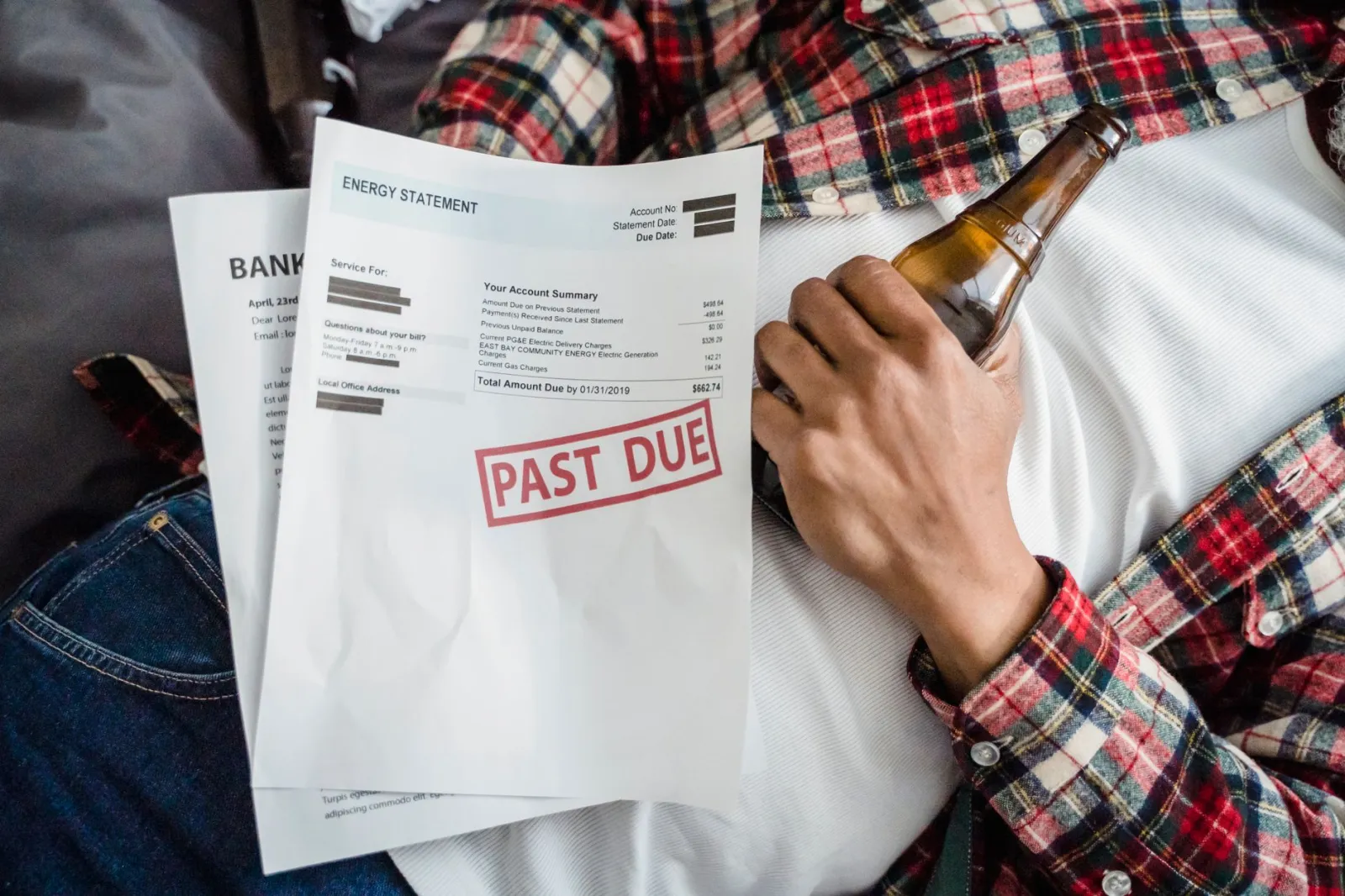
A high energy bill feels personal, but in 2026 it often is not. Electricity prices are rising faster than general inflation in much of the country. The first job is to find out whether you are using more energy or paying more for the same amount. The fixes are completely different.
Step 1: Rate or usage? The 60-second bill check
Put this month's bill next to the same month last year and compare two numbers:
- Kilowatt-hours (kWh) used. Usually shown in a usage graph or table.
- Price per kWh. Divide the total electric charges by the kWh used.
If kWh is about the same and the bill went up, your rate rose. That is common in 2026. If kWh went up, something in the house is using more energy, and the steps below will help you find it.
What is happening to electricity prices
The U.S. Energy Information Administration expects the average summer residential price to reach about 18.25 cents per kWh in 2026, up 4.2% from 17.51 cents in 2025. Average summer usage is forecast to rise only slightly, but the average summer bill climbs to about $196.
The increases are uneven:
| Region | Summer 2026 average residential price |
|---|---|
| New England | 28.21 cents per kWh |
| Pacific | 26.67 cents per kWh |
| Middle Atlantic | 25.43 cents per kWh (up 7.7%) |
| East North Central | 19.39 cents per kWh (up 7.4%) |
| West South Central | 15.27 cents per kWh |
| Mountain | 15.00 cents per kWh |
EIA reports that retail electricity prices have outpaced inflation since 2022, and that spending on distribution systems, the poles, wires and local equipment that deliver power, has become the largest part of utility costs. In other words, much of the increase comes from the delivery side of your bill, not from anything you did.
Where the energy goes in a typical home
If your usage did rise, start with the biggest users. According to EIA's residential energy survey:
- Space heating is 42% of home energy use nationally, by far the largest share
- Air conditioning is 9% nationally, but about 28% in Florida and only about 2% in Maine
- Water heating accounts for roughly 14% to 18% of a typical utility bill, according to the Department of Energy
That is why winter bills in cold states and summer bills in hot states respond most to heating and cooling fixes.
The fixes with real numbers behind them
Air seal and insulate. ENERGY STAR estimates homeowners can save an average of 15% on heating and cooling costs, about 11% of total energy costs, by sealing air leaks and adding insulation in attics, floors over crawl spaces and basement rim joists.
Set the thermostat back. The Department of Energy says you can save as much as 10% a year on heating and cooling by turning the thermostat back 7 to 10 degrees for 8 hours a day, such as while you sleep or are at work.
Lower the water heater temperature. Setting a tank water heater to 120 degrees Fahrenheit instead of a higher setting saves roughly $36 to $61 a year, per the Department of Energy.
Change the HVAC filter. A clogged filter makes your system work harder. See HVAC maintenance that extends system life.
Signs something in the house is wrong
- The heating or cooling system runs constantly or short-cycles
- Some rooms are much hotter or colder than others, pointing to duct leaks or missing insulation
- The bill jumped after a new appliance, a spa, a second refrigerator or an EV
- A well pump or sump pump runs more than it should
- Electric baseboard or space heaters are running for hours in winter
If you use electric resistance heat, a heat pump can cut heating costs sharply; see heat pump vs. furnace for the running-cost math.
Reading the lines on your bill
Most electric bills split charges into a few groups, and knowing them helps you see what you can and cannot control:
- Supply or generation: the cost of the electricity itself, charged per kWh. In some states you can choose a supplier for this part.
- Delivery or distribution: the cost of the local grid that brings power to your home, often a per-kWh charge plus a fixed monthly fee. This is the part EIA identifies as the fastest-growing utility cost.
- Fixed customer charge: a flat monthly fee you pay even if you use nothing.
- Taxes and riders: smaller surcharges for programs, fuel adjustments or storm recovery.
If the fixed charges and delivery rates rose, using less energy will lower your bill less than you expect. That is worth knowing before you spend money on upgrades.
A home energy audit
A professional energy audit uses a blower door test and an infrared camera to find leaks and missing insulation you cannot see. Many utilities run audit programs, sometimes discounted, so check your utility's website before hiring privately. Note that the federal tax credit that used to cover part of an audit ended on December 31, 2025.
What will not help much
- Unplugging phone chargers: real but tiny savings
- Closing vents in unused rooms: often makes central systems less efficient
- Buying a "power saver" plug-in device that promises big savings
Quick checklist
- Compare kWh and price per kWh with last year
- Check your region's price trend
- Change the HVAC filter and check the thermostat schedule
- Set the water heater to 120 degrees
- Seal obvious drafts around doors, windows and the attic hatch
- Book an audit through your utility if usage is still high
For bigger upgrades, see the heating and cooling costs guide and single-pane vs. double-pane windows.
Questions homeowners ask
Why is my electric bill so high all of a sudden?
Either your usage rose or your rate did. Compare this month's kWh and price per kWh with the same month last year. In 2026, rising rates are a common cause.
What is the average electricity rate per kWh in 2026?
EIA forecasts an average summer 2026 residential price of about 18.25 cents per kWh, up 4.2% from 2025, with large regional differences.
What uses the most energy in a house?
Space heating, at about 42% of residential energy use nationally according to EIA. Air conditioning and water heating follow, with big regional variation.
How much can I save by adjusting my thermostat?
The Department of Energy says up to 10% a year on heating and cooling by setting it back 7 to 10 degrees for 8 hours a day.
Why is my bill high when my usage didn't change?
Your price per kWh likely rose. EIA reports residential prices rising faster than inflation, driven largely by delivery and distribution costs.
What temperature should my water heater be set to?
The Department of Energy suggests 120 degrees Fahrenheit, which saves roughly $36 to $61 a year compared with higher settings.
Sources
- U.S. EIA: Short-Term Energy Outlook, Table SF02 (September 2026)
- U.S. EIA: Electricity Monthly Update (September 2026)
- U.S. EIA Today in Energy: U.S. electricity prices continue steady increase
- U.S. EIA: Residential Energy Consumption Survey 2020 press release
- U.S. Department of Energy, Energy Saver: Programmable thermostats
- U.S. Department of Energy, Energy Saver: Which water heater is right for you?
- ENERGY STAR: Why seal and insulate?
- IRS: FAQs on the termination of section 25C under the One Big Beautiful Bill Act
Was this guide helpful?
Thank you. Your answer helps us decide what to update first.