Heat Pump vs Furnace: Which Heating System Is Right for You?
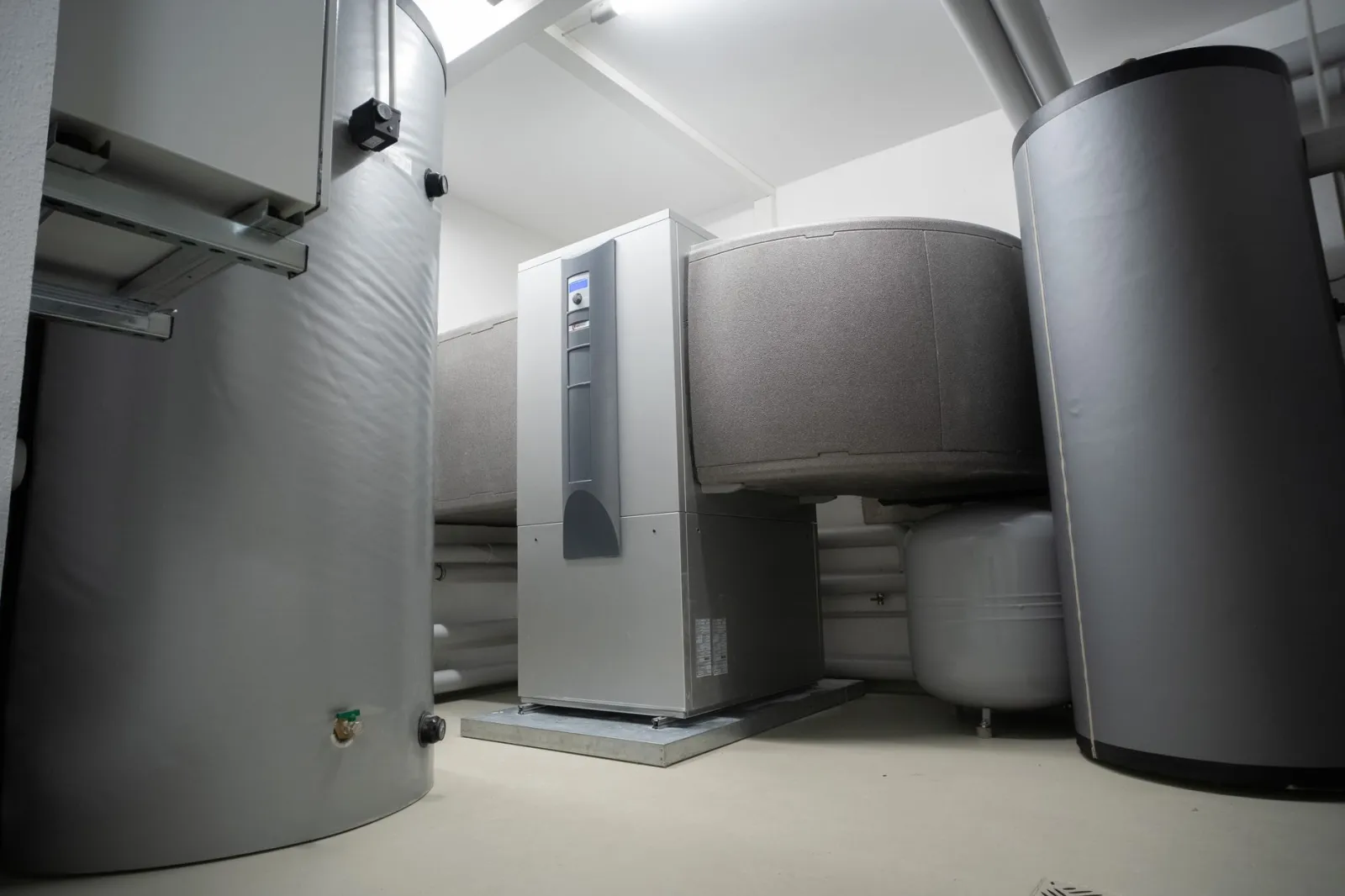
When it is time to replace your heating system, the choice between a heat pump and a furnace shapes your comfort and your energy bills for years. Both can heat a home well, but they work differently and suit different climates and situations. This guide compares them on efficiency, cost, climate fit, and comfort so you can choose the system that actually fits your home.
Estimate
| Range | Typical cost |
|---|---|
| Low end | $4,500 |
| Average | $7,500 |
| High end | $13,000 |
How they work
A furnace generates heat by burning fuel, usually natural gas, or using electricity, and blows warm air through your ducts. A heat pump does not generate heat so much as move it: it transfers heat from the outside air into your home in winter, and reverses to cool in summer. That fundamental difference, generating versus moving heat, drives most of the trade-offs between them.
Efficiency and operating cost
Heat pumps are highly efficient because moving heat takes less energy than creating it, which can mean lower operating costs, especially compared with electric-resistance heating. A heat pump also cools, replacing a separate air conditioner. A gas furnace can be economical to run where natural gas is inexpensive, particularly in very cold climates where a heat pump works harder. The cheaper system to run depends heavily on your local energy prices and climate.
Climate is the deciding factor
Climate matters more here than almost anything. In mild and moderate climates, a heat pump is often the efficient, all-in-one choice for both heating and cooling. In very cold regions, traditional heat pumps lose efficiency as temperatures drop, though modern cold-climate models have improved substantially. Many cold-climate homes use a heat pump paired with a backup furnace, a dual-fuel setup that uses the efficient heat pump most of the year and the furnace on the coldest days.
Upfront cost and installation
- Furnace: typically lower upfront cost for the heating unit alone, but you still need separate air conditioning for summer.
- Heat pump: often a higher upfront cost, but it handles both heating and cooling in one system.
- Existing setup: your current ducts, fuel availability, and electrical capacity all affect installation cost.
Compare the total picture, heating plus cooling, rather than just the price of one box.
Comfort and other factors
Furnaces produce very warm air, which some people prefer in deep cold. Heat pumps deliver steady, somewhat cooler air over longer cycles, which many find comfortable and even. Heat pumps also improve home efficiency and reduce on-site combustion. Consider noise, the lifespan of each system, and available rebates, which increasingly favor efficient heat pumps.
How to choose
Start with your climate and energy prices, then weigh upfront cost against operating cost over the years you will own the home. In a mild climate, a heat pump's efficiency and all-in-one design are hard to beat. In a very cold one, a high-efficiency furnace or a dual-fuel system may serve better. Get load calculations and itemized quotes from licensed contractors, and ask them to model operating costs for your specific home.
Quick recap
- A furnace generates heat by burning fuel; a heat pump moves heat and also cools.
- Heat pumps are very efficient and shine in mild to moderate climates; modern cold-climate models have improved.
- In very cold regions, a high-efficiency furnace or a dual-fuel heat-pump-plus-furnace setup may fit best.
- Compare total upfront and operating cost for heating and cooling together, and check rebates.
The heat pump versus furnace decision really comes down to your climate, your energy prices, and the total cost over time. Let those drive the choice rather than the sticker price of a single unit, get professional load calculations and quotes, and you will land on the system that keeps your home comfortable and your bills reasonable for years.
Frequently asked questions
Is a heat pump cheaper to run than a furnace?
Often, because moving heat takes less energy than creating it, especially versus electric-resistance heat. But a gas furnace can be economical where natural gas is cheap and in very cold climates. It depends on local energy prices and climate.
Do heat pumps work in cold climates?
Modern cold-climate heat pumps have improved substantially, though traditional models lose efficiency as it gets very cold. Many cold-climate homes use a dual-fuel setup pairing a heat pump with a backup furnace.
Which is cheaper upfront, a heat pump or a furnace?
A furnace often has a lower upfront cost for the heating unit alone, but you still need separate air conditioning. A heat pump costs more upfront but handles both heating and cooling, so compare the total.
Sources & references
- Heat pump systems — U.S. Department of Energy (accessed Jun 2026)
- Heating efficiency and rebates — ENERGY STAR (accessed Jun 2026)