Extending the Life of Your HVAC System: A Maintenance Guide
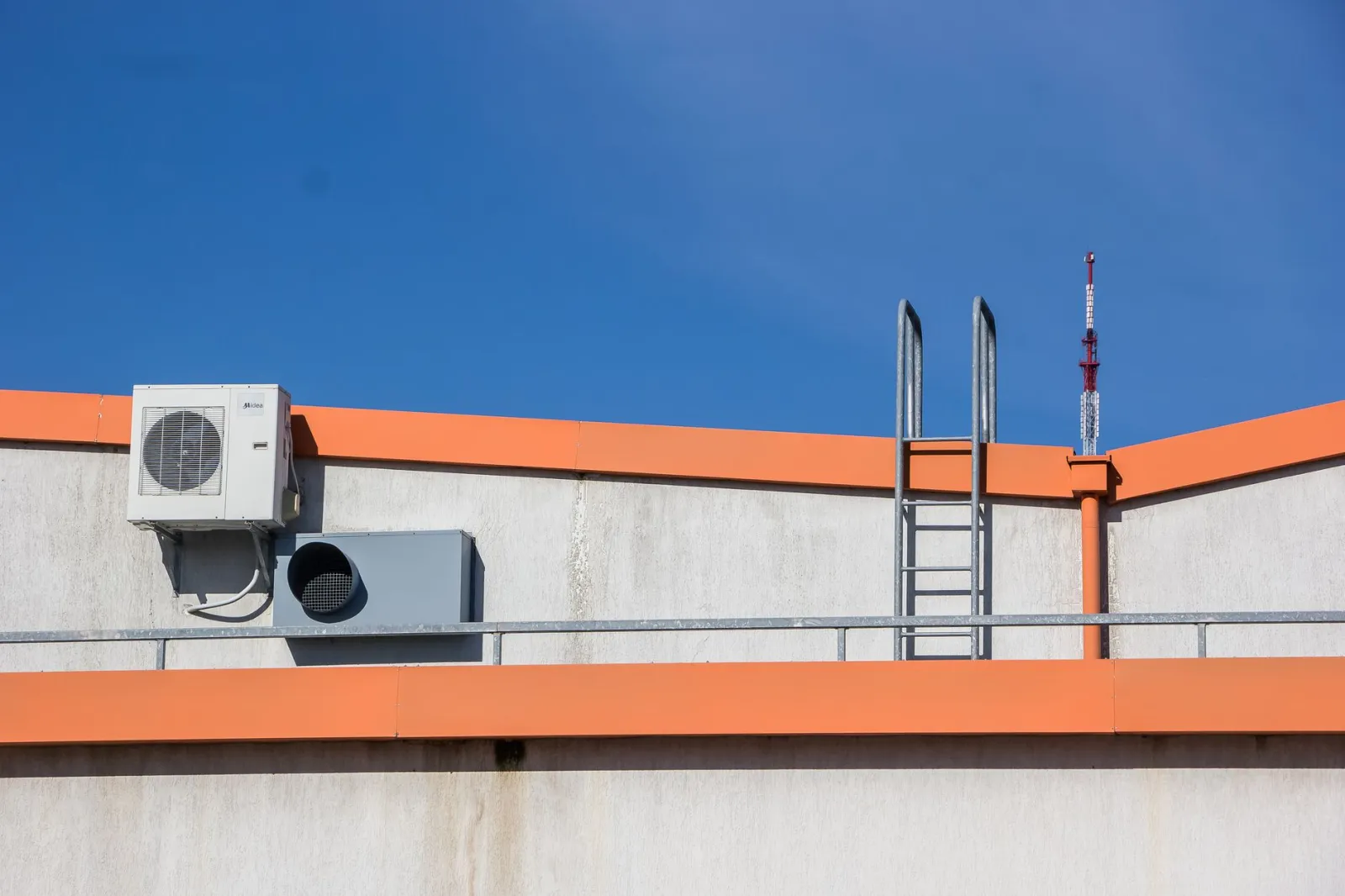
Heating and cooling is one of the most expensive systems in your home to replace, so making it last is worth real attention. The good news is that a well-maintained system runs more efficiently, breaks down less, and often lasts years longer. Here is what you can do yourself, what to leave to a professional, and a simple schedule to follow.
Estimate
| Range | Typical cost |
|---|---|
| Low end | $4,500 |
| Average | $7,500 |
| High end | $13,000 |
What you can do yourself
- Change the air filter on schedule: the single most important and cheapest thing you can do. A clogged filter strains the system and wastes energy.
- Keep the outdoor unit clear: remove leaves and debris and keep plants trimmed back so it can breathe.
- Keep vents unblocked: furniture and rugs over registers force the system to work harder.
- Watch for changes: new noises, weak airflow, or rising bills are early warnings.
What needs a professional
An annual professional tune-up covers what you cannot: checking the refrigerant charge, cleaning the coils, inspecting electrical connections and the burner, and verifying safe operation. Many manufacturer warranties actually require documented professional maintenance to stay valid, so this service protects both the system and your warranty.
A simple seasonal schedule
Service the cooling system in spring before the hot months and the heating system in fall before winter. Check and change the filter every one to three months depending on the filter type and whether you have pets. Twice-yearly professional visits, timed to the seasons, keep the system ready before you actually need it.
Why maintenance pays for itself
A neglected system loses efficiency every year, which shows up on your utility bills, and it tends to fail early and at the worst time. The modest cost of filters and an annual tune-up is small against the price of an emergency replacement, and it buys years of reliable service. Maintenance is one of the highest-return habits in homeownership.
Know when to plan a replacement
Even a well-kept system has a lifespan. If yours is aging, needs a major repair, or is far less efficient than current models, start planning a replacement on your timeline rather than waiting for it to fail. Maintenance buys you time and the luxury of choosing, instead of buying whatever is available in an emergency.
The bottom line
Change the filter, keep the unit clear, and book a professional tune-up twice a year. These simple habits keep your HVAC efficient, reliable, and long-lived, and they turn an unpredictable expense into a managed one.
Smart thermostats and efficiency
Beyond filters and tune-ups, how you run the system affects both bills and lifespan. A programmable or smart thermostat avoids heating and cooling an empty house and reduces runtime, which means less wear. Sealing obvious duct leaks and adding attic insulation lighten the load the system carries, so it cycles less and lasts longer. Using ceiling fans lets you nudge the thermostat without sacrificing comfort. None of these are dramatic, but together they reduce how hard the system works every day, which is the real driver of longevity. Pair smarter operation with regular maintenance and you get the longest possible life and the lowest possible bills from the equipment you already own.
Quick recap
- Change the filter every one to three months; it is the cheapest, highest-impact maintenance you can do.
- Keep the outdoor unit clear and the vents unblocked so the system breathes and works less.
- Book a professional tune-up twice a year, timed to spring and fall, to protect both performance and your warranty.
- Run the system smartly with a programmable thermostat and good insulation, and plan replacement on your timeline rather than after a failure.
Frequently asked questions
How often should I change my HVAC filter?
Typically every one to three months, depending on the filter type and whether you have pets. A clean filter is the cheapest, highest-impact maintenance you can do.
Do I really need an annual HVAC tune-up?
Yes. A pro checks refrigerant, cleans coils, and inspects electrical and safety components you can't. Many warranties also require documented maintenance to stay valid.
When should I service heating versus cooling?
Service cooling in spring before the hot season and heating in fall before winter, so each system is ready before you depend on it.
Sources & references
- Maintaining your heating and cooling system — U.S. Department of Energy (accessed Jun 2026)
- HVAC efficiency and maintenance — ENERGY STAR (accessed Jun 2026)