Ductless Mini-Split vs Central Air: Which Is Right for You?
If you're cooling or heating your home, the choice between a ductless mini-split and a traditional central air system shapes both your comfort and your bills for years. They suit very different homes and needs. Here is a clear comparison to help you pick the right system rather than defaulting to whatever is most familiar.
Estimate
| Range | Typical cost |
|---|---|
| Low end | $4,500 |
| Average | $7,500 |
| High end | $13,000 |
How each system works
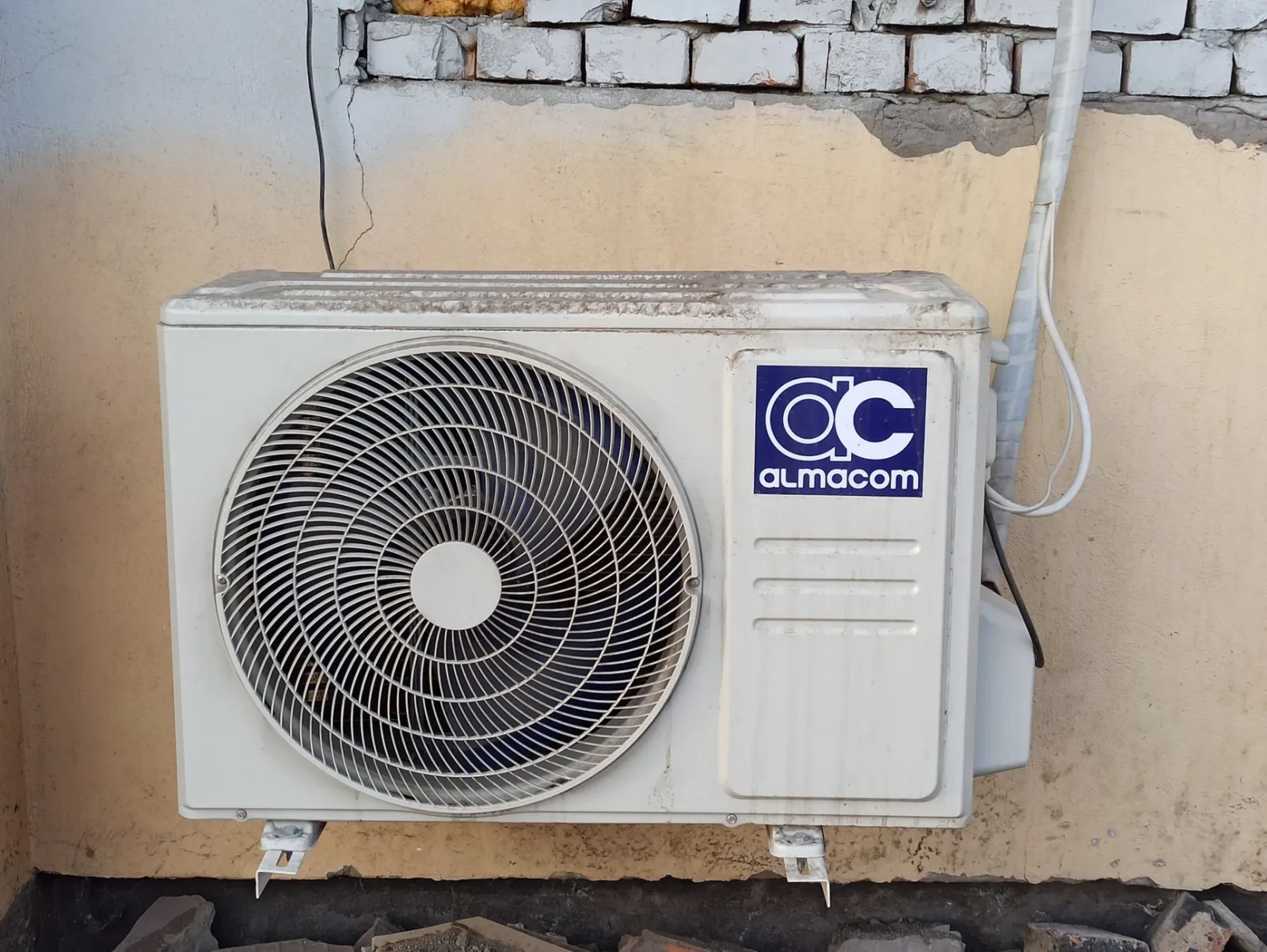
Central air uses one central unit to cool (and often a furnace to heat), distributing conditioned air through a network of ducts to vents throughout the home. A ductless mini-split skips the ducts entirely: an outdoor compressor connects to one or more indoor units mounted in specific rooms, each controlled independently. That structural difference drives the trade-offs.
When central air makes sense
Central air shines in homes that already have ductwork in good condition, since it can cool the whole house evenly through one system and keeps indoor units out of sight. It is often the expected setup for larger homes and can be efficient when ducts are well sealed. The catch: if ducts are leaky or absent, you lose efficiency or face a big expense to install them.
When a mini-split makes sense
- No existing ductwork: mini-splits avoid the major cost and disruption of installing ducts.
- Room-by-room control: each indoor unit runs independently, so you only condition the rooms you use.
- Additions and tricky spaces: garages, sunrooms, finished attics, and additions where extending ducts is impractical.
- Efficiency: no duct losses, and modern units are highly efficient, which can lower bills.
Cost differences
Installing central air where ducts already exist is often cost-effective, but adding ductwork to a home without it is expensive and invasive. Mini-splits cost more per indoor unit, so cooling many rooms with several units adds up, but they avoid duct installation entirely. For a few rooms or a home without ducts, mini-splits are often the more economical path; for whole-home conditioning where ducts exist, central air can be competitive. Itemized quotes for your specific home are the only reliable comparison.
Comfort and appearance
Central air is invisible apart from vents and delivers even whole-home temperatures. Mini-splits put visible indoor units on walls or ceilings, which some people dislike, but they offer precise per-room control and quiet operation. If uniform, out-of-sight conditioning matters most, central wins; if targeted control and efficiency matter more, mini-splits win.
How to decide
Start with one question: do you have good existing ductwork? If yes, central air is often the natural, cost-effective choice. If no, or if you only need to condition certain rooms or an addition, mini-splits usually make more sense than paying to install ducts. Then weigh efficiency, appearance, and the number of rooms, and get quotes for both approaches before deciding.
Quick recap
- Central air conditions the whole home through ducts and stays out of sight, but needs good ductwork.
- Mini-splits skip ducts, offer room-by-room control, and suit homes without ducts or specific spaces.
- Adding ducts to a duct-free home is expensive; mini-splits often win there, while central is competitive where ducts exist.
- Start by asking whether you have good ductwork, then compare itemized quotes for both.
Mini-split versus central air is really a question about your home's ducts and how you use your rooms. With good ductwork and a desire for invisible whole-home comfort, central air fits; without ducts or for targeted, efficient room control, mini-splits shine. Compare real quotes for your home and you will choose the system that fits both your comfort and your budget.
Frequently asked questions
Are mini-splits cheaper than central air?
It depends on your home. If you already have good ductwork, central air is often cost-effective. If you don't have ducts, mini-splits usually cost less than installing ductwork, especially for a few rooms.
Are ductless mini-splits efficient?
Yes. Because they avoid the energy lost through ducts and modern units are highly efficient, mini-splits can lower energy bills, particularly when you only condition the rooms you use.
Can a mini-split heat as well as cool?
Yes, most mini-splits are heat pumps that both cool and heat, which is part of their appeal for year-round comfort in many climates.
Sources & references
- Ductless and central cooling systems — U.S. Department of Energy (accessed Jun 2026)
- Efficient heating and cooling equipment — ENERGY STAR (accessed Jun 2026)