Signs You Need an Electrical Panel Upgrade, and What It Costs in 2026
When an electrical panel really needs replacing, what a 200-amp upgrade costs in 2026, and why a load calculation should come before any upsizing.
Estimate at a glance2026
Replacing an electrical panel costs about $850 to $2,500 in 2026, and a 100 to 200 amp upgrade about $1,300 to $3,000, according to HomeGuide and This Old House. Before upsizing for an EV charger or heat pump, ask for a load calculation: some homes can add loads on existing service with load management. The federal credit for panel upgrades ended December 31, 2025.
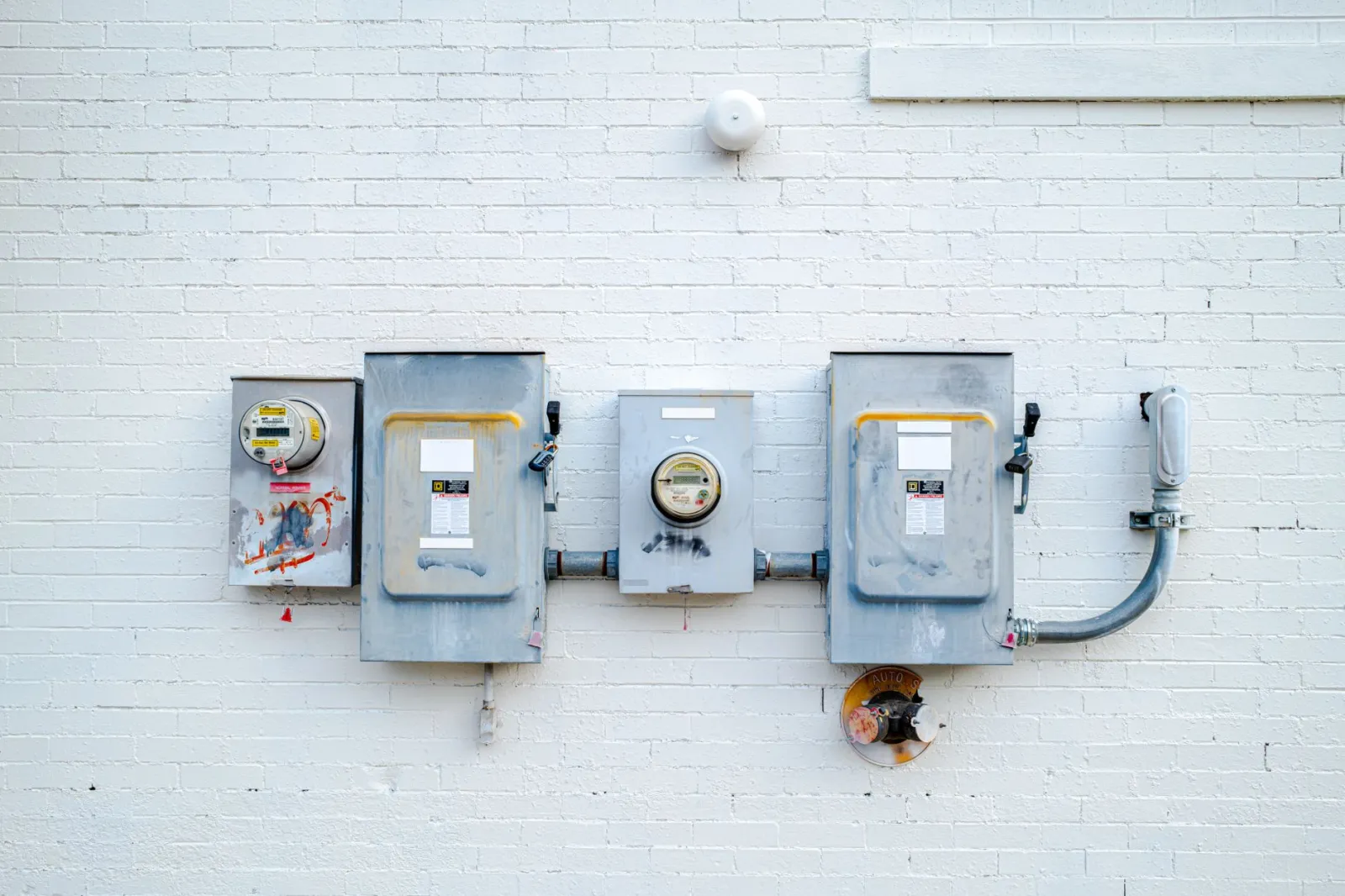
Your electrical panel is the traffic controller for every circuit in the house. When it is too small for what you now plug in, worn out, or a model with a poor safety reputation, it becomes a real risk and a bottleneck for upgrades like heat pumps, induction ranges and EV chargers.
Signs your panel may need attention
- Breakers trip often, especially when several appliances run together
- Warm or buzzing panel, scorch marks or a burning smell: call an electrician promptly
- Fuses instead of breakers in an older home
- No space for new circuits, or a panel crowded with doubled-up breakers
- Flickering or dimming lights when large appliances start
- Planned upgrades such as an EV charger, heat pump, electric water heater or induction range
- An older panel brand flagged by an inspector or insurer
What a panel upgrade costs in 2026
| Job | Typical 2026 cost |
|---|---|
| Panel replacement, same amperage | $850 to $2,500 |
| 100 to 200 amp upgrade | $1,300 to $2,500 (HomeGuide panel page); $1,400 to $2,800 (HomeGuide wiring page) |
| 200 amp upgrade, This Old House | Most pay $1,300 to $3,000; full range $800 to $4,000 |
| 400 amp upgrade | $2,000 to $4,000 |
The ranges differ because of what is included. A panel swap inside the house is one job. Upgrading the service, which can involve a new meter base, service cable and coordination with your utility, is a bigger one. If the utility's lines or equipment need upgrading, that can add its own cost and scheduling delay, so ask your utility early.
Equipment prices are also under pressure. Federal tariffs on copper and electrical equipment took effect in 2025 and 2026, and distributor data shows copper wire prices rising sharply over the past year. Get quotes in writing with a price hold.
Do you really need 200 amps?
Most new homes built since about 2015 have 200-amp service or more, according to This Old House, and many older homes have 100 amps. But more amps is not automatically the answer.
An electrician can perform a load calculation, following the method in the National Electrical Code, to see how much of your existing service you actually use. The results often surprise homeowners:
- A 100-amp home may handle a heat pump or EV charger with careful planning
- Load management devices or smart panels can share capacity, for example pausing EV charging while the dryer runs
- A modest change, such as a lower-amperage EV charging circuit, may avoid an upgrade entirely
For EV chargers specifically, the code counts the charger at its full rated load, so it matters how big a charger you choose. See installing an EV charger at home.
Older panel brands
Some older panels, notably Federal Pacific Electric (Stab-Lok) and Zinsco, are frequently flagged by home inspectors and insurers because of concerns about breakers that may not trip reliably. If your home has one, have a licensed electrician evaluate it, and check whether your insurer requires replacement. Do not rely on online claims alone; ask the electrician to explain what they found in your specific panel.
Permits and inspections
A panel replacement or service upgrade almost always requires a permit and inspection, and your utility may need to disconnect and reconnect service. Hire a licensed electrician who pulls the permit. Unpermitted panel work can cause problems with insurance claims and when you sell the house. See home improvement permits explained.
The tax credit is gone
Some pages still say the IRS offers a 30% credit of up to $600 for panel upgrades. That was part of the energy efficient home improvement credit, which does not apply to property placed in service after December 31, 2025. Check state and utility programs, which sometimes help with panel upgrades tied to heat pumps or EV chargers.
What a good quote includes
- New panel brand, model and amperage
- Whether the meter base, service cable or grounding system are replaced
- Utility coordination and any utility fees
- Permit and inspection
- Number of circuits moved or added, and AFCI or GFCI breakers required by code
- Patching or trim work around the panel
What to expect on upgrade day
A straightforward panel replacement usually takes most of a day, and your power will be off for much of it. Typical steps:
- The electrician confirms the permit and, if needed, schedules the utility to disconnect service.
- The old panel is removed and the new one mounted, often with a new main breaker.
- Each circuit is moved to the new panel, labeled, and fitted with the breaker type the code requires.
- Grounding and bonding are checked or upgraded.
- The inspector approves the work, and the utility reconnects power if it was disconnected.
Plan for food in the refrigerator, medical devices and anyone working from home. If the job includes a service upgrade that depends on the utility, the schedule can stretch over days or weeks.
Ways to keep the cost down
- Combine the panel upgrade with other electrical work, such as an EV circuit, to share the permit and labor
- Ask whether a load management device can replace the need for more amps
- Get at least two licensed quotes that list the same scope
- Ask your utility about programs that help with panel upgrades for heat pumps or EV charging
Mistakes to avoid
- Upgrading to 200 amps without a load calculation
- Adding breakers to a full panel with tandem breakers it was not designed for
- Hiring an unlicensed installer to save money
- Forgetting to ask the utility about its side of the upgrade
If your home also has old wiring, see when a house needs rewiring. For heat pump planning, read heat pump vs. furnace.
Questions homeowners ask
How much does a 200-amp panel upgrade cost in 2026?
Most homeowners pay about $1,300 to $3,000, according to HomeGuide and This Old House, with complex service upgrades costing more.
How do I know if I need a panel upgrade?
Frequent tripping, a warm or buzzing panel, fuses, no room for new circuits, flickering lights and planned large electric appliances are common signs.
Is 100-amp service enough for a heat pump or EV charger?
Sometimes. A load calculation shows how much capacity you use, and load management devices can let you add loads without upgrading.
Are Federal Pacific and Zinsco panels dangerous?
They are frequently flagged by inspectors and insurers over breaker reliability concerns. Have a licensed electrician evaluate yours and check your insurer's requirements.
Is there a tax credit for a panel upgrade in 2026?
No federal credit. It ended for property placed in service after December 31, 2025. Check state and utility programs.
Does the utility charge to upgrade my service?
It can, and scheduling may take time. Contact your utility early if an upgrade involves its lines, meter or transformer.
Sources
- HomeGuide: Cost to replace an electrical panel (2026)
- HomeGuide: Electrical wiring cost (2026)
- This Old House: Cost to upgrade an electrical panel
- Congressional Research Service: Section 232 tariffs on copper imports
- ATEK Distribution: 2026 electrical prices and lead times (citing PPI data)
- IRS: FAQs on the termination of section 25C under the One Big Beautiful Bill Act
Was this guide helpful?
Thank you. Your answer helps us decide what to update first.