Installing an EV Charger at Home: 2026 Costs, Code Rules and the Expired Credit
What a Level 2 charger costs to install in 2026, the code rules that surprise people, and why the federal charger credit no longer applies.
Estimate at a glance2026
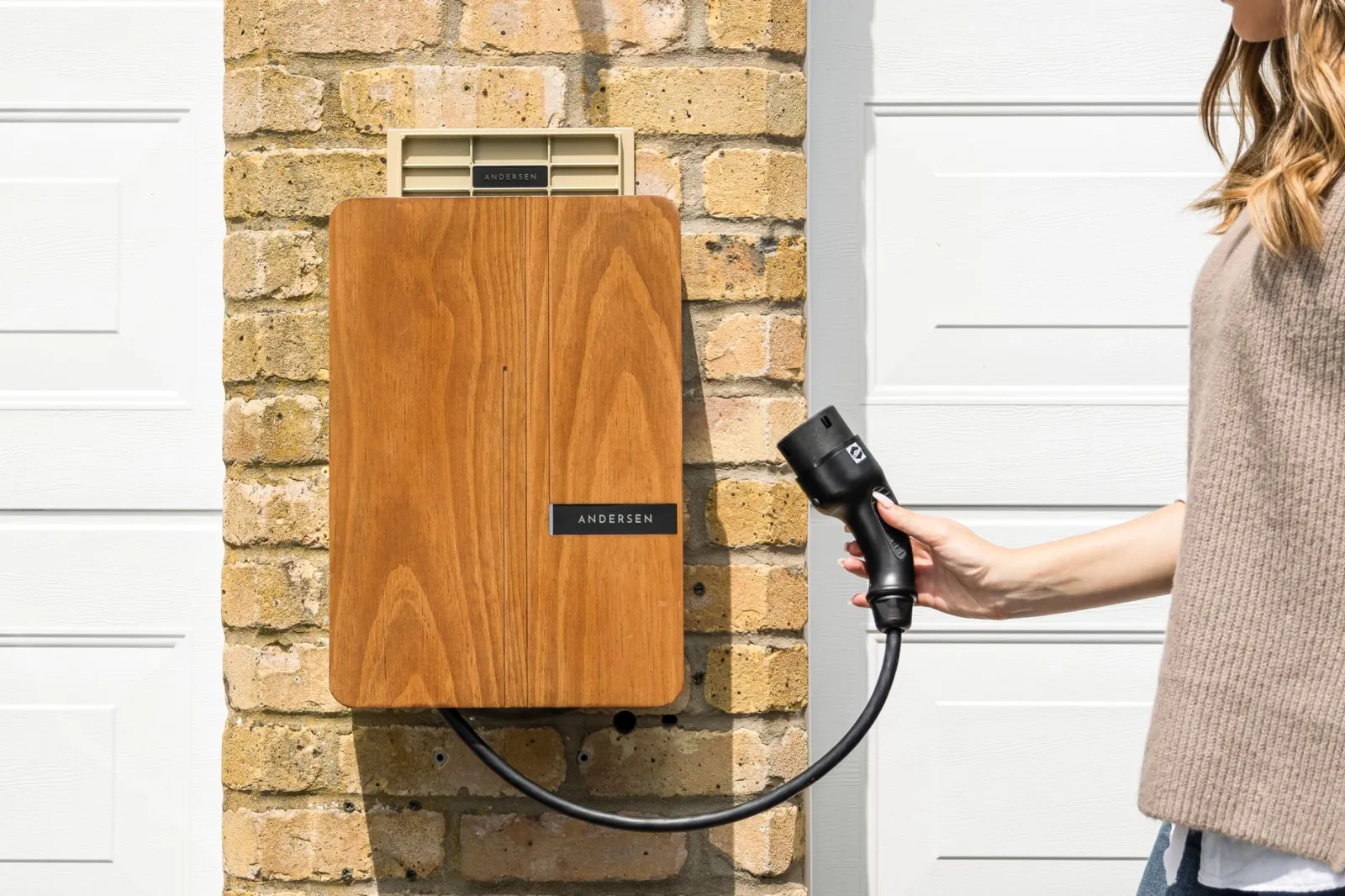
A Level 2 home charger typically costs about $750 to $3,000 installed in 2026, depending mostly on distance from your panel and panel capacity. The federal 30C credit expired on June 30, 2026. Code requires the circuit to be sized at 125% of the charger's continuous load, and EV charging receptacles need GFCI protection.
Charging at home is the cheapest and most convenient way to own an electric car. The installation is usually simple, but costs vary widely, a few code rules catch people out, and the federal credit many articles still mention is gone.
Level 1 or Level 2?
- Level 1 uses a regular 120-volt outlet and the cord that comes with most EVs. There is nothing to install, but it adds only a few miles of range per hour. It works for short commutes and plug-in hybrids.
- Level 2 uses a 240-volt circuit, like a clothes dryer, and charges many times faster. It is what most EV owners install.
What Level 2 installation costs in 2026
| Source | Installed cost | Notes |
|---|---|---|
| Qmerit | $749 to $2,500, average about $1,700 | Permits $50 to $800, averaging about $310 |
| HomeGuide | $1,200 to $3,000 | Charger plus installation |
| Angi | $700 to over $2,000 | Installation alone $400 to $1,200 |
The biggest cost drivers are:
- Distance from the panel to the parking spot, which sets how much wire and conduit you need
- Panel capacity, and whether an upgrade is needed
- Wall and ground conditions, such as finished walls or trenching to a detached garage
- Permit fees, which vary by city
Copper wire prices rose sharply over the past year under new tariffs, so long runs cost more in 2026 than they did before.
The code rules that matter
Size the circuit at 125%. The National Electrical Code treats EV charging as a continuous load, so the circuit must be rated for 125% of the charger's output. A charger delivering 40 amps needs a 50-amp circuit; a 48-amp charger needs a 60-amp circuit.
GFCI protection for receptacles. The 2023 National Electrical Code requires ground-fault protection on receptacles installed for EV charging. That matters for plug-in chargers on a NEMA 14-50 outlet: some chargers have their own ground-fault protection, and the combination can cause nuisance tripping. Hardwiring the charger avoids the receptacle requirement, although you should follow the charger manufacturer's instructions either way.
Permits. Most jurisdictions require a permit and inspection for a new 240-volt circuit. Qmerit reports permit costs from about $50 to $800.
Plug-in or hardwired?
| Plug-in (NEMA 14-50) | Hardwired | |
|---|---|---|
| Move or replace the charger | Easy | Needs an electrician |
| GFCI receptacle rule | Applies; may cause nuisance trips | Avoids the receptacle rule |
| Maximum power | Typically up to 40 amps | Can support 48 amps or more |
| Weather exposure | Outlet must suit the location | Fewer connection points |
Do you need a panel upgrade?
Not always. The code counts the charger at its full rating when calculating your home's load, so a large charger on a small service can force an upgrade. Options that can avoid one:
- A charger set to a lower current, which is often plenty for overnight charging
- A load management device that pauses charging when other big loads run
- A smart panel or circuit-sharing device
Ask your electrician for a load calculation before agreeing to a panel upgrade. See signs you need an electrical panel upgrade.
NACS or J1772?
Most new EVs in the U.S. are moving to the NACS connector (standardized as SAE J3400), while many existing cars use J1772. Buy a charger with the connector your car uses, and note that adapters exist. If you plan to own a different car later, or two cars with different connectors share the garage, a charger with a replaceable cable can make switching easier.
The federal credit has ended
The federal 30C credit covered 30% of a home charger's cost, up to $1,000, in eligible census tracts, for equipment placed in service from January 1, 2023 through June 30, 2026. It has now expired, even though many websites still advertise it. Do not let an installer deduct it from your price. Check your utility and state for rebates, special EV charging rates and time-of-use plans, which can matter more than the upfront cost over time.
What home charging costs to run
Your cost per charge is simple arithmetic: the kilowatt-hours you add multiplied by your electricity rate. EIA forecasts an average U.S. summer residential rate of about 18.25 cents per kWh in 2026. At that rate, adding 40 kWh to a battery costs about $7.30. Your rate may be far higher or lower depending on your state and plan.
Many utilities offer time-of-use or EV-specific rates that make overnight charging much cheaper. Most Level 2 chargers and many cars let you schedule charging for those off-peak hours, which can save more over the life of the car than any rebate on the charger.
Garage, driveway or outdoors
- Inside a garage is the simplest and protects the equipment.
- Outdoors, choose a charger and any receptacle rated for wet locations, and mount it where the cable reaches the charge port without stretching across a walkway.
- Detached garages may need trenching and a longer run, which is often the biggest single cost.
What a good quote includes
- Charger model and amperage setting
- Breaker size and wire gauge
- Distance and conduit route
- Plug-in or hardwired, and GFCI arrangement
- Permit and inspection
- Load calculation and any load management device
- Any wall patching or trenching
A final tip: register the charger with its manufacturer and keep the permit and inspection papers. Some utility rebates and warranty claims require proof of a permitted, professional installation, and a future buyer of your home will want to see that the circuit was done to code.
For whole-home electrical planning, see when a house needs rewiring and our guide to reading a contractor quote.
Questions homeowners ask
How much does it cost to install a Level 2 charger in 2026?
Typically about $750 to $3,000 installed, depending on distance from the panel, panel capacity and permit fees. Qmerit reports an average of about $1,700.
Is the EV charger tax credit still available?
No. The federal 30C credit applied to equipment placed in service through June 30, 2026, and has expired. Check utility and state rebates.
Do I need a panel upgrade for an EV charger?
Not always. A load calculation, a lower charging current or a load management device can often avoid an upgrade.
What size breaker do I need for a 48-amp charger?
A 60-amp circuit, because the code requires EV charging circuits to be sized at 125% of the continuous load.
Hardwired or plug-in: which is better?
Plug-in is easier to move but must meet the GFCI receptacle rule. Hardwired avoids that rule and can support higher power.
NACS or J1772: which charger should I buy?
Match your car's connector. Many new U.S. EVs are moving to NACS, and adapters are available.
Sources
- Qmerit: Level 2 EV charger installation costs (2026)
- HomeGuide: Electric car charging station cost (2026)
- Angi: Electric vehicle charging installation costs (2026)
- IRS: Alternative fuel vehicle refueling property credit for individuals
- WireRef: NEC Article 625, EV charging equipment
- Congressional Research Service: Section 232 tariffs on copper imports
Was this guide helpful?
Thank you. Your answer helps us decide what to update first.