When Does a House Need Rewiring? Warning Signs and 2026 Costs
Old wiring rarely fails dramatically at first. Here are the signs that it is time, what rewiring costs in 2026, and how wiring type affects your insurance.

Estimate at a glance2026
Rewiring a whole house typically costs about $5 to $17 per square foot, or roughly $10,000 to $30,000, in 2026, and replacing knob-and-tube wiring runs about $12,000 to $35,000 (HomeGuide). The U.S. Consumer Product Safety Commission reports that homes wired with pre-1972 aluminum wiring are 55 times more likely to have connections reach fire-hazard conditions than homes wired with copper.
Wiring hides inside walls for decades, so most homeowners never think about it until lights flicker, breakers trip or an insurer asks about it. Old wiring is not automatically dangerous, but some types and some symptoms mean it is time for a licensed electrician to take a close look.
Warning signs you should not ignore
- Breakers that trip or fuses that blow often
- Outlets or switch plates that feel warm or show scorch marks
- A burning smell near outlets, switches or the panel
- Flickering or dimming lights when appliances start
- Buzzing or crackling sounds from outlets or switches
- Two-prong, ungrounded outlets throughout the house
- Brittle, cracked or cloth-covered wiring visible in the attic or basement
- Frequent use of extension cords because there are too few outlets
Warm outlets, scorch marks and burning smells are urgent. Turn off the circuit and call an electrician.
Wiring types that raise concerns
Knob-and-tube
Common in homes built before the 1940s, this early system runs individual wires on ceramic knobs and through ceramic tubes. It has no ground wire, its insulation becomes brittle with age, and it was designed to release heat into open air, so burying it in insulation is a concern. Many homes have had sections altered over the years, which adds risk.
Aluminum branch-circuit wiring
Used in some homes in the 1960s and early 1970s. The U.S. Consumer Product Safety Commission reports that homes wired with aluminum before 1972 are 55 times more likely to have one or more connections reach fire-hazard conditions than homes wired with copper. The problem is mainly at connections, where aluminum can loosen and overheat. The CPSC describes repair methods, including approved connectors, that may be alternatives to a full rewire, so ask a qualified electrician about your options.
Cloth-sheathed and early rubber-insulated cable
Found in mid-century homes, the insulation can dry out and crack, exposing conductors.
What rewiring costs in 2026
| Job | Typical 2026 cost |
|---|---|
| Whole-house rewire | $5 to $17 per square foot; about $10,000 to $30,000 on average |
| Knob-and-tube replacement | $12,000 to $35,000, or $8 to $17 per square foot |
| Electrical permit | About $50 to $350 or more |
What moves the price:
- Home size and number of circuits
- Access: open attics and basements make it easier; plaster walls and finished spaces add labor
- Wall repair: patching drywall or plaster is often priced separately
- Panel upgrade: many rewires include a new panel; see electrical panel upgrade
- Copper prices: federal tariffs on copper and electrical equipment raised wire costs in 2025 and 2026, so get quotes with a price hold
Partial rewiring
You do not always need to rewire everything at once. Electricians often replace the highest-risk circuits first, such as kitchens, bathrooms and anything with knob-and-tube, or rewire room by room during other renovations. Ask for a written assessment that ranks circuits by risk.
Codes, permits and inspections
Rewiring is permitted work almost everywhere. New circuits must meet the electrical code your state or city has adopted, which usually means adding arc-fault (AFCI) and ground-fault (GFCI) protection in the areas where the code requires them. Requirements depend on which edition of the National Electrical Code your jurisdiction uses, so your electrician should know the local rules. Hire a licensed electrician who pulls the permit.
Old wiring and insurance
Some insurers ask about wiring type when writing or renewing a policy, and older systems such as knob-and-tube can make coverage harder to get or more expensive. Ask your insurer directly what it requires; updating the riskiest circuits may be enough in some cases. Keep permits and inspection records after the work to show the upgrade.
Staying safe until the work is done
- Do not overload circuits or chain extension cords together
- Replace any warm, cracked or scorched outlet covers and have the outlet checked
- Keep insulation and stored items away from exposed knob-and-tube wiring
- Test smoke alarms monthly and make sure there is one on every level
- Know how to shut off power at the main breaker
What a rewiring project looks like
A whole-house rewire usually takes days to a couple of weeks, depending on size and access. Electricians run new cable through walls and ceilings, often from the attic and basement, opening small sections of wall where needed. Power is off in parts of the house during the work. After the rough-in inspection, walls are patched, and a final inspection closes the permit. Ask your electrician for a written schedule and who handles the wall repairs.
Questions to ask the electrician
- What wiring do I have, and which circuits are highest risk?
- Is a full rewire needed, or can we start with the riskiest circuits?
- Does the quote include panel work, permits, inspections and wall patching?
- Which AFCI and GFCI protection will the local code require?
- How long will the work take, and which rooms will lose power when?
How to get started
- Hire a licensed electrician for an inspection that documents wiring type, panel and grounding
- Get a prioritized plan: urgent fixes, recommended upgrades and optional work
- Ask your insurer what it requires for your wiring type
- Collect at least two written quotes that list circuits, panel work, permits and wall repair
- Combine work with other renovations to save on wall opening and patching
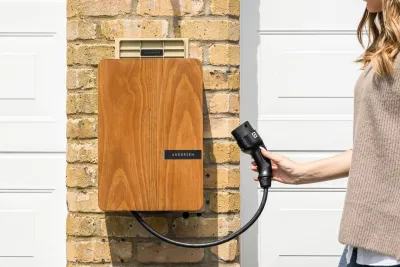
A rewire is also a good moment to plan ahead: add outlets where you use extension cords today, and consider dedicated circuits for a future EV charger, heat pump or induction range so you do not open walls twice.
For related electrical projects, see installing an EV charger at home, and for choosing a contractor, read questions to ask before hiring a contractor.
Questions homeowners ask
How do I know if my house needs rewiring?
Frequent tripping, warm or scorched outlets, burning smells, flickering lights, two-prong outlets and visible brittle or cloth-covered wiring are common signs.
How much does it cost to rewire a house in 2026?
About $5 to $17 per square foot, or roughly $10,000 to $30,000 on average, according to HomeGuide.
Is knob-and-tube wiring dangerous?
It lacks a ground wire, its insulation becomes brittle with age, and it should not be buried in insulation. Have a licensed electrician evaluate it.
Is aluminum wiring safe?
The CPSC reports pre-1972 aluminum-wired homes are 55 times more likely to have connections reach fire-hazard conditions than copper-wired homes. Approved repair methods exist.
Can I get insurance with knob-and-tube wiring?
Sometimes, but some insurers restrict coverage or charge more. Ask your insurer what it requires.
Does rewiring require a permit?
Yes, almost everywhere, along with an inspection. New work must meet your jurisdiction's adopted electrical code, including AFCI and GFCI rules.
Sources
Was this guide helpful?
Thank you. Your answer helps us decide what to update first.