Electrical Costs in 2026: Panels, Wiring, Chargers and Backup Power
A map of your home's electrical system and what each upgrade costs in 2026, from a $850 panel swap to a $31,000 solar array, plus the order that saves money.
Estimate at a glance2026
In 2026 a panel replacement runs about $850 to $2,500, a 200-amp upgrade about $1,300 to $3,000, a whole-house rewire about $5 to $17 per square foot, a Level 2 EV charger about $750 to $3,000 installed, and a typical home battery about $15,647. Federal credits for solar, batteries and panels ended after 2025, and copper tariffs pushed wire prices up, so plan upgrades in the right order to avoid paying twice.
Electrical costs surprise homeowners because electricity is the one home system most people never see until something goes wrong or a new appliance will not fit. Yet in 2026 more homeowners are adding big electrical loads than ever: heat pumps, induction ranges, EV chargers, batteries. Each of those decisions touches the same few pieces of equipment, and doing them in the wrong order is the most common way homeowners overspend.
This guide maps your system from the street to the outlet, prices each upgrade with 2026 data, and gives you a planning order that avoids paying for the same work twice.
Your home's electrical system, from the street to the outlet
Power reaches your home in five stages:
- The service drop or lateral: the utility's overhead or underground line to your house
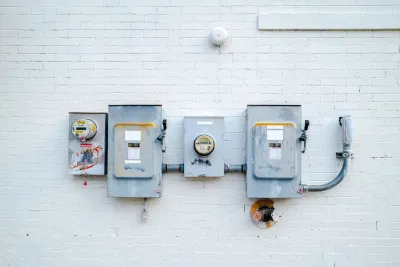
- The meter: where the utility measures what you use
- The main panel: the breaker box that sets your total capacity, usually 100, 200 or 400 amps
- Branch circuits: the wires running from each breaker to rooms and appliances
- Devices: outlets, switches, fixtures and hardwired appliances
Almost every upgrade depends on stages 3 and 4. A panel that is too small, or wiring that is too old, limits what you can add.
What electrical work costs in 2026
| Project | Typical 2026 cost | Main driver |
|---|---|---|
| Panel replacement, same amperage | $850 to $2,500 | Panel brand, circuits moved |
| 100 to 200 amp upgrade | $1,300 to $3,000 | Meter base, service cable, utility work |
| 400 amp upgrade | $2,000 to $4,000 | Larger equipment and utility coordination |
| Whole-house rewire | $5 to $17 per sq ft (about $10,000 to $30,000) | Home size, wall access, plaster |
| Knob-and-tube replacement | $12,000 to $35,000 | Extent of old wiring |
| Level 2 EV charger, installed | About $750 to $3,000 | Distance from panel, panel capacity |
| Electrical permit | About $50 to $350 or more | Your city |
| Home battery, 13.5 kWh, installed | About $15,647 before incentives | Brand, backup circuits |
| Residential solar | About $3.36 per watt; typical system about $31,000 | System size, roof, region |
Sources: HomeGuide, This Old House, Qmerit, EnergySage and SEIA/Wood Mackenzie 2026 data. Ranges overlap because each source measures slightly different scopes.
Licensed electricians earned a median of $63,190 a year in May 2025, according to the U.S. Bureau of Labor Statistics, about $30 an hour before the overhead, insurance and licensing costs that go into a billed rate.
What changed in 2026
- The federal credits ended. The 30% credits for solar, batteries (25D) and for panels and other efficiency upgrades (25C) do not apply to expenses after December 31, 2025. The EV charger credit (30C) applied only to equipment placed in service through June 30, 2026. Many websites still show "after credit" prices. For 2026 buyers, those are wrong.
- Copper got more expensive. Federal tariffs on copper and electrical equipment took effect in 2025 and 2026. Distributor data citing producer price indexes shows copper wire and cable prices up about 18% in the year to July 2026. Long wire runs and rewiring cost more than they did a year ago.
- Solar demand fell. Residential solar installations dropped 12% year over year in the second quarter of 2026, and analysts forecast a 23% contraction for the year. Fewer installers means checking a company's staying power matters more.
Warning signs that need an electrician now
- A warm, buzzing or burning-smelling panel, outlet or switch
- Scorch marks around outlets or breakers
- Breakers that trip repeatedly
- Lights that flicker or dim when large appliances start
- Knob-and-tube, cloth-covered or pre-1972 aluminum wiring; the U.S. Consumer Product Safety Commission reports pre-1972 aluminum-wired homes are 55 times more likely to have connections reach fire-hazard conditions than copper-wired homes
Heat, burning smells and scorch marks are urgent. Turn off that circuit and call a licensed electrician. Our guide to when a house needs rewiring explains the older wiring types.
The decision that saves the most money: a load calculation
Before you upgrade a panel for a heat pump, EV charger or induction range, ask for a load calculation. Electricians follow a method in the National Electrical Code to measure how much of your existing capacity you actually use. The result often changes the plan:
- A 100-amp home may handle a heat pump or EV charger with careful planning
- A load management device or smart panel can share capacity between big loads, for example pausing EV charging while the dryer runs
- A charger set to a lower current may be plenty for overnight charging
Our guide to signs you need an electrical panel upgrade walks through the options.
Plan upgrades in the right order
Doing electrical work piecemeal means opening walls, pulling permits and paying trip charges repeatedly. A smarter order:
- Inspect and fix safety issues first: old wiring, a failing panel, missing grounding.
- Run a load calculation for everything you plan to add over the next five years.
- Decide on the panel: upgrade, add load management, or keep what you have.
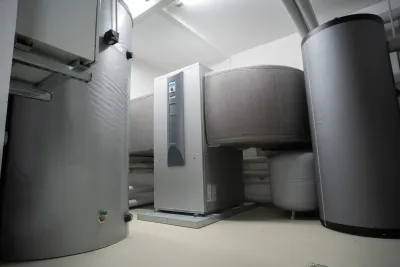
- Rough in future circuits while walls are open, for example an EV circuit or a 240-volt line for a heat pump water heater.
- Add the big loads: EV charger, heat pump, induction range.
- Consider solar and a battery last, once the house's electrical backbone is ready and you know your future usage.
EV chargers
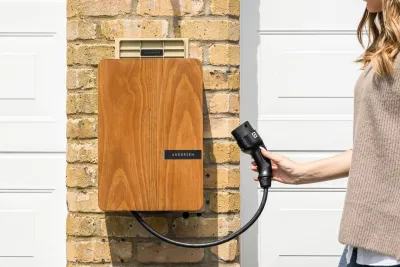
A Level 2 charger is the most common electrical addition in 2026. Installed costs typically run about $750 to $3,000, driven mostly by distance from the panel and whether the panel has room. The electrical code sizes EV circuits at 125% of the charger's continuous load, and receptacles installed for EV charging require ground-fault protection, which matters for plug-in chargers on a NEMA 14-50 outlet. Full details are in installing an EV charger at home.
Solar and batteries
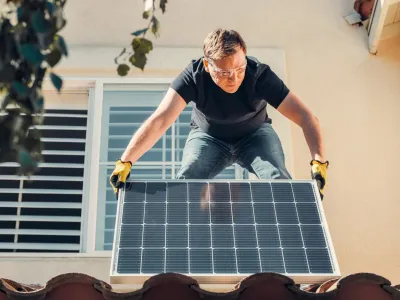
Without the federal credit, solar pays off mainly where electricity is expensive and export credits are fair. A typical system costs about $31,000 before incentives, according to EnergySage. A battery adds backup power and can raise solar's value where utilities credit exports at low rates, such as under California's net billing tariff. Read is home solar worth it in 2026, solar battery storage and how to vet a solar installer before signing anything.
Backup power choices
| Option | Best for | Trade-off |
|---|---|---|
| Portable generator with a transfer switch or interlock | Occasional outages, a few circuits | Fuel storage, manual setup, noise |
| Standby generator | Long or frequent outages, whole-home backup | Higher cost, fuel supply, maintenance |
| Home battery | Quiet backup, bill savings with solar | Limited runtime without solar recharge |
Whatever you choose, a proper transfer switch or interlock is essential. Backfeeding a house through a dryer outlet endangers utility workers and your home.
Hiring an electrician
- Verify the license with your state or city
- Ask for proof of general liability and workers' compensation insurance
- Make sure the electrician pulls the permit and schedules inspections
- Get quotes that list the panel, circuits, breakers, permits and any wall repair
- Ask for the load calculation in writing
Our guides to questions to ask before hiring a contractor and reading a contractor quote apply to every electrical job.
Where to go next
Questions homeowners ask
How much does an electrical panel upgrade cost in 2026?
A panel replacement runs about $850 to $2,500, and a 100 to 200 amp upgrade about $1,300 to $3,000, with larger service upgrades costing more.
How much does it cost to rewire a house?
About $5 to $17 per square foot, or roughly $10,000 to $30,000 on average, according to HomeGuide.
Are there tax credits for electrical upgrades in 2026?
No federal credits for most homeowners. The 25C and 25D credits ended after December 31, 2025, and the EV charger credit ended June 30, 2026.
Do I need a panel upgrade for a heat pump or EV charger?
Not always. A load calculation shows your real capacity, and load management devices can let you add big loads without upgrading.
Why are electrical jobs more expensive in 2026?
Federal tariffs on copper and electrical equipment raised wire prices, with copper wire and cable up about 18% in the year to July 2026.
In what order should I do electrical upgrades?
Fix safety issues first, run a load calculation, decide on the panel, rough in future circuits, add big loads, and consider solar and batteries last.
How much does an electrician earn per hour?
The BLS median for electricians was $63,190 a year in May 2025, about $30 an hour; billed rates are higher because they include overhead and insurance.
Sources
- HomeGuide: Cost to replace an electrical panel (2026)
- HomeGuide: Cost to rewire a house (2026)
- HomeGuide: Electrical wiring cost (2026)
- This Old House: Cost to upgrade an electrical panel
- Qmerit: Level 2 EV charger installation costs (2026)
- EnergySage: Solar battery cost (2026)
- EnergySage: Solar panel cost (2026)
- SEIA / Wood Mackenzie: Solar Market Insight Report Q3 2026
- U.S. Bureau of Labor Statistics: Electricians
- U.S. CPSC: Repairing aluminum wiring (Publication 516)
- Congressional Research Service: Section 232 tariffs on copper imports
- IRS: Alternative fuel vehicle refueling property credit
- IRS: FAQs on the termination of section 25C under the One Big Beautiful Bill Act
Was this guide helpful?
Thank you. Your answer helps us decide what to update first.